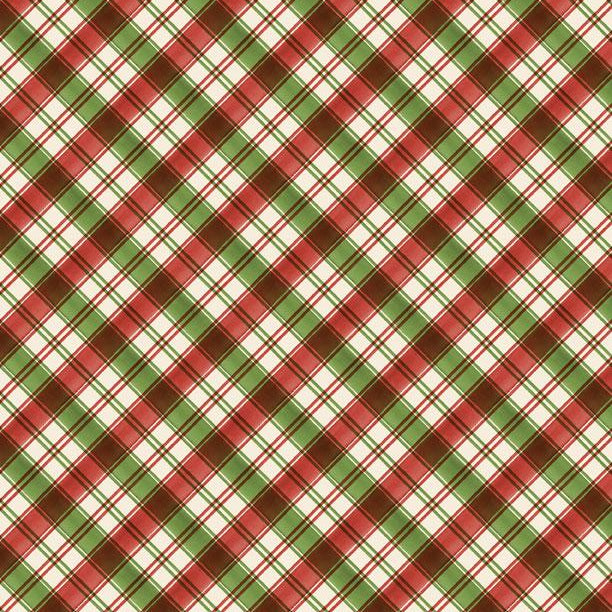
Introduction to Plaid
Plaid, a pattern characterised by its cross-hatched lines of different widths and colours, has undergone a remarkable resurgence in recent years. This classic design, with its roots tracing back to Scottish clan tartans, holds a significant place in both contemporary fashion and cultural identity. As global fashion trends evolve, plaid remains a staple, becoming both a symbol of comfort and an expression of individuality.
The Current Trend
As of 2023, plaid has become increasingly dominant across runways and everyday wear. Notably, fashion weeks in cities like London, New York, and Paris showcased plaid in various forms, from tailored suits and dresses to casual streetwear. According to a recent survey by WGSN, a leading fashion trend forecasting agency, 72% of designers plan to incorporate plaid into their upcoming collections, highlighting the pattern’s versatility.
Cultural Significance
Plaid transcends mere aesthetic appeal. It has a deeply embedded cultural significance rooted in history. Traditionally associated with Scottish heritage, plaid represents distinct clans, echoing stories of lineage and belonging. Today, designers are merging this classical element with modern-day interpretations, fostering a renewed appreciation for cultural narratives in fashion. Not only has plaid become a means for expression, but it also sparks conversations about identity and heritage in a globalised world.
Environmental Impact
In line with the recent sustainability trends in fashion, many companies are re-evaluating how plaid fabrics are sourced. Brands are increasingly opting for recycled materials or organic sources, aligning plaid with contemporary eco-conscious practices. This shift not only reduces environmental footprint but also caters to consumers seeking sustainable choices.
Conclusion and Future Perspectives
As we move further into 2023 and beyond, plaid is expected to maintain its status as a fashion favourite. Its adaptability allows it to fit into varied styles, from high fashion to casual wear. With the blending of traditional elements and modern techniques, consumers can look forward to innovative designs. The continued relevance of plaid in contemporary fashion serves as a reminder of how some patterns can evolve while retaining their historical essence, thus bridging the gap between the past and the present.