Introduction
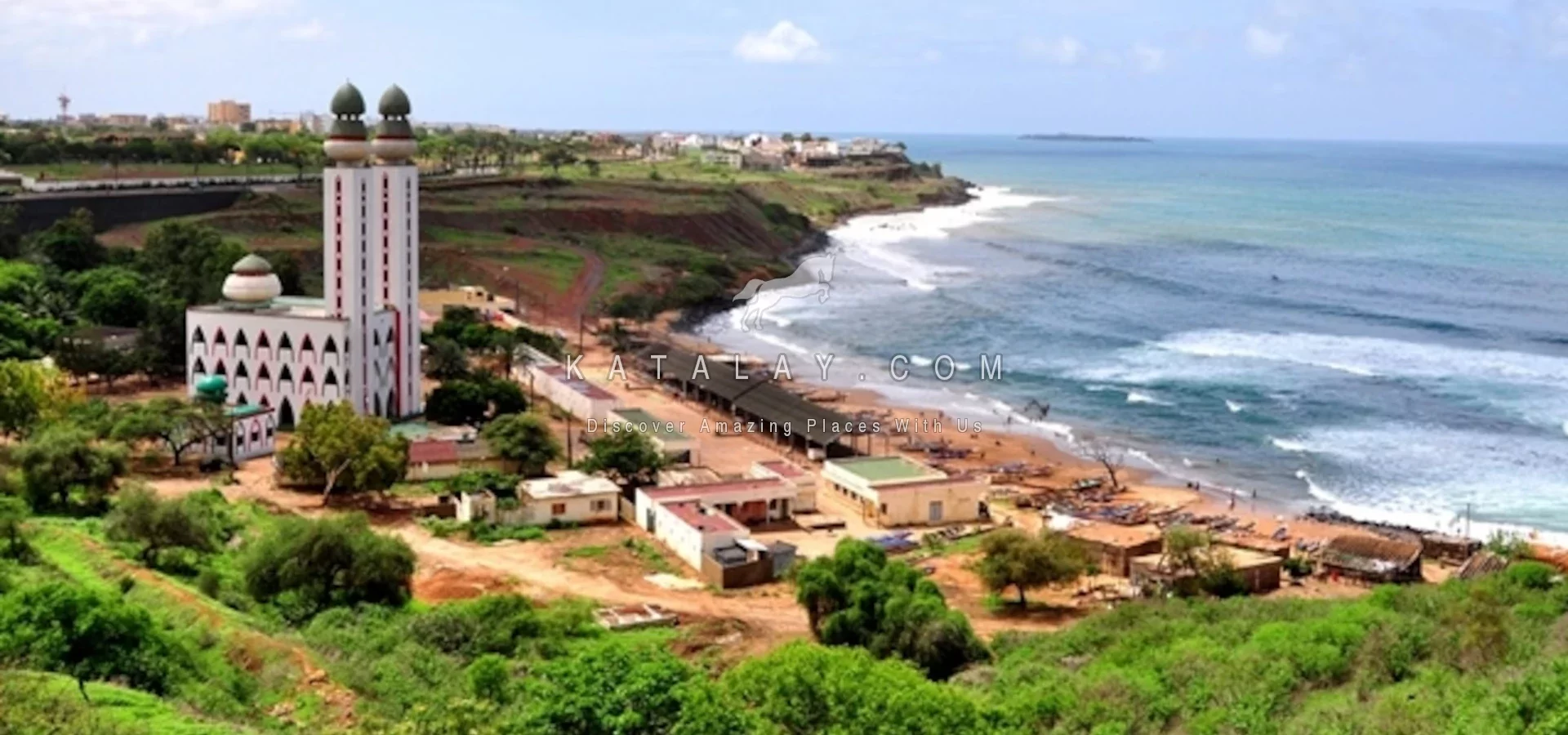
Senegal, located on the westernmost tip of Africa, is a country rich in culture and history. It has emerged as a significant player in regional politics and economics, particularly in West Africa. With a diverse economy that includes agriculture, fishing, and a growing tourism sector, Senegal is seen as a beacon of stability and democracy on the continent. This article highlights recent developments and their implications for both the local and international community.
Economic Growth and Challenges
In recent years, Senegal has witnessed robust economic growth, with a reported GDP growth rate of approximately 6.1% in 2022 according to the World Bank. This growth has been primarily fueled by investments in infrastructure, the oil and gas sectors, and agricultural development. The government’s ambitious Plan Senegal Emergent aims to position the nation as a high-income economy by 2035. However, challenges remain, such as unemployment, inflation, and the impacts of climate change on agriculture.
Moreover, infrastructure projects like the Dakar-Diamniadio Toll Highway and the Dakar Regional Express Train are vital for promoting trade and improving connectivity. These initiatives are expected to bolster economic activities and create job opportunities as Senegal prepares to host events like the 2026 Africa Cup of Nations.
Cultural Richness and Tourism
Senegal is known for its vibrant culture, showcasing a blend of traditional and modern influences. The country is famous for its music, particularly genres like mbalakh and sabar. Festivals such as the Dakar Biennale celebrate the local art scene and attract international tourists, further enhancing the cultural exchange.
>The recent focus on sustainable tourism has prompted government efforts to promote eco-friendly practices among local businesses. This aligns with global trends towards responsible travel, providing both economic benefits and cultural preservation for local communities.
Political Stability and International Relations
Senegal has maintained a stable political climate since its independence in 1960, differentiating itself from many of its neighbours. The peaceful transition of power and the active participation of civil society in governance bolster its democratic credentials. Internationally, Senegal’s strategic location has made it a key partner in regional security initiatives, particularly in combating terrorism in the Sahel region.
As a member of various international organisations, including the African Union and ECOWAS, Senegal plays a pivotal role on the continental stage, fostering dialogue and cooperation among West African nations.
Conclusion
Senegal’s ongoing economic progress and rich cultural heritage position it as a significant player in West Africa. The government’s commitment to sustainable development, coupled with political stability, suggests a promising future for the nation. For international investors and travellers alike, Senegal offers opportunities that are both economically viable and culturally enriching. As it navigates the challenges ahead, Senegal’s example may serve as a model for other nations in the region striving for similar prosperity.