Introduction
The Hillsborough disaster, which took place on 15 April 1989, is one of the darkest chapters in the history of English football. This tragic event, where 96 football fans lost their lives during a match between Liverpool and Nottingham Forest, has shaped discussions around stadium safety and crowd management for decades. Its implications extend beyond the realm of sport, reaching into issues of public safety, legal accountability, and community resilience.
The Events of the Disaster
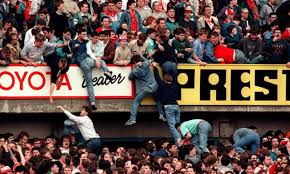
On that fateful day, over 50,000 fans attended the FA Cup semi-final at Hillsborough Stadium in Sheffield. Due to a mismanagement of crowd control, large numbers of fans were directed into an already overcrowded pen, leading to a crush that resulted in fatalities and hundreds of injuries. Emergency services faced significant challenges in responding to the crisis, further exacerbating the situation.
Aftermath and Investigations
In the immediate aftermath, the response from authorities was heavily scrutinised, with an inquiry led by Lord Justice Taylor revealing critical failures in crowd safety procedures. The subsequent 1990 report advocated for changes in stadium design, which eventually led to the introduction of all-seater stadiums in English football. However, the families of the victims faced considerable struggles in their quest for justice, leading to a long and arduous legal battle.
Legacy and Changes in Football
Over the years, the Hillsborough disaster has prompted significant legislative changes aimed at improving safety in sports venues. The Football Licensing Authority was established to ensure compliance with safety regulations, and the recommendations made following the disaster have been integral in reshaping policies governing fan safety. Furthermore, the event catalysed a national conversation about the treatment of football fans and the prevailing policing tactics at sporting events.
Continued Relevance
The memory of the Hillsborough disaster remains poignant three decades later, with annual memorial events held to honour those who lost their lives. The campaign for justice, led by the families of the victims, reflects a broader societal commitment to accountability and truth. Recent developments, including the inquest verdicts that legally recognised the unlawful killing of the 96 individuals, have been a pivotal moment in acknowledging the pain endured by the families.
Conclusion
The Hillsborough disaster stands as a vital reminder of the importance of safety in sporting events and the need for comprehensive reforms to protect fans. Its legacy continues to influence policies and public perceptions surrounding crowd management and stadium safety in the UK. As discussions on fan rights and stadium conditions evolve, the tragedy of Hillsborough serves as both a cautionary tale and a call to action for ensuring that such a disaster never occurs again.