Introduction
Pakistan, a country located in South Asia, has been facing a series of multifaceted challenges that have significant implications for its future. The political landscape, economic conditions, and social dynamics are all areas of concern amidst evolving governance and international relations. Understanding these issues is crucial not only for Pakistanis but also for global observers interested in regional stability.
Political Landscape
The political atmosphere in Pakistan has been tumultuous, especially following the ousting of former Prime Minister Imran Khan in April 2022. His subsequent arrest in August 2023 on corruption charges further exacerbated political tensions, leading to widespread protests by Khan’s supporters and increased scrutiny of the military’s influential role in politics. The current government, led by Prime Minister Shehbaz Sharif, is grappling with governance issues and public dissent, facing criticism for its handling of economic challenges.
Economic Challenges
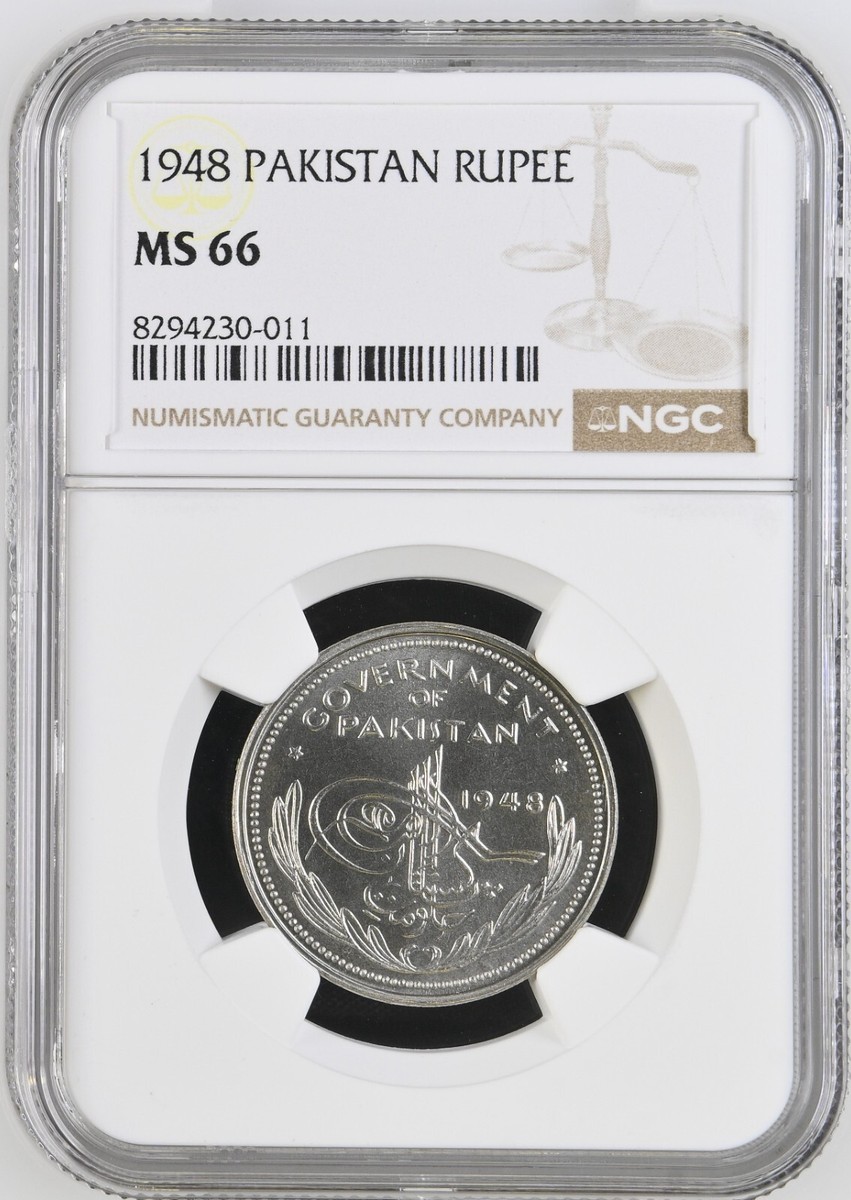
Economically, Pakistan is in a precarious situation. The country has been battling high inflation rates, exceeding 25% as of late 2023, which has severely affected the cost of living for ordinary citizens. The Pakistani rupee has depreciated significantly, leading to a surge in import costs. Despite receiving a bailout from the International Monetary Fund (IMF), the nation continues to face hurdles in structural reforms necessary for sustainable growth and attracting foreign investment.
Social Dynamics and Human Rights
On the social front, Pakistan grapples with various issues, including human rights concerns and educational disparities. Women’s rights activists continue to advocate for gender equality amidst rising incidents of violence against women. Furthermore, the country struggles with access to quality education and health care, particularly in rural areas. These challenges highlight the pressing need for social reforms aimed at improving living standards and promoting equality.
International Relations
Pakistan’s foreign relations, particularly with neighbouring India and Afghanistan, are also central to its national security. Tensions continue between India and Pakistan over Kashmir, and the recent Taliban regime in Afghanistan poses both challenges and opportunities for Pakistan’s strategic positioning in Central Asia. Engaging in diplomatic negotiations while addressing internal challenges remains a delicate balancing act for the Pakistani government.
Conclusion
The situation in Pakistan is a complex interplay of political instability, economic hardship, and social challenges that directly impact its citizens’ lives. As the government fights to address these issues, the future remains uncertain. Ongoing international support combined with internal reforms could pave the way for a more stable and prosperous Pakistan. Observers are keenly watching how these dynamics unfold, as the insights gained here will resonate beyond its borders.