Introduction
The state pension retirement age is a crucial aspect of the UK’s social security system, impacting millions of citizens as they prepare for retirement. Changes to this age have significant implications for individuals’ financial planning, employment, and overall wellbeing. As life expectancy continues to rise, the government is adjusting the retirement age to ensure the sustainability of the pension system while addressing public concerns about fairness and accessibility.
Recent Developments
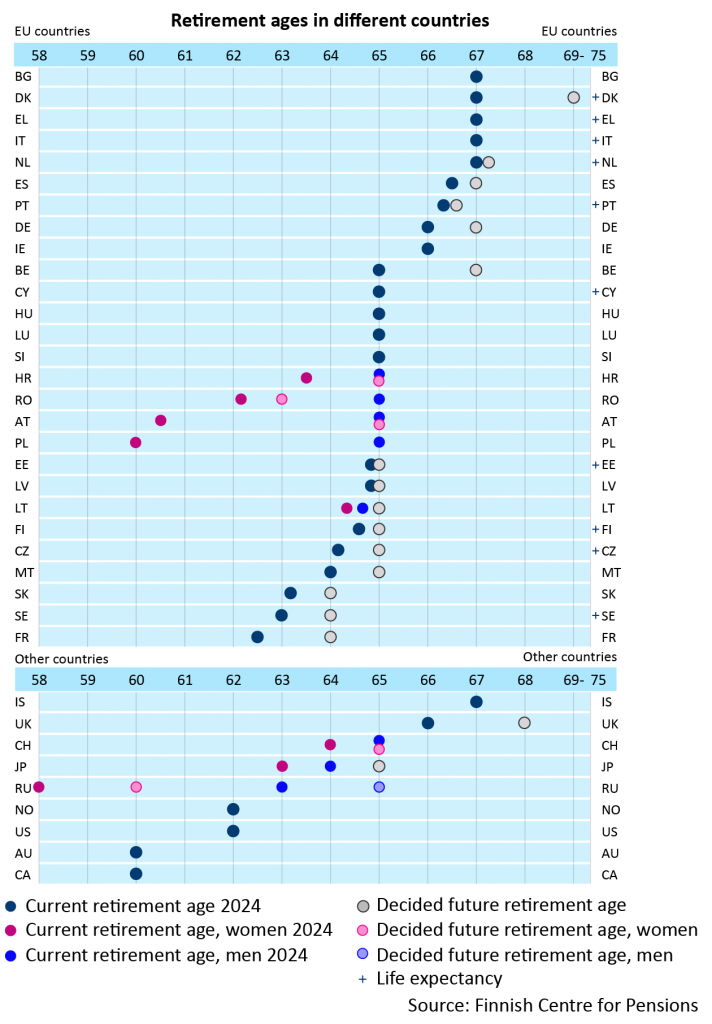
As of 2023, the state pension retirement age is set to rise from 66 to 67 between 2026 and 2028. Furthermore, discussions have emerged around potentially increasing the retirement age to 68 as early as 2037. This proposal follows recommendations from the government’s independent actuary, which assess the fund’s sustainability alongside projected life expectancies.
The government’s rationale for these adjustments revolves around improving the sustainability of the pension funds, as the ratio of workers contributing to the system versus pensioners drawing from it continues to decline. In light of economic challenges exacerbated by the COVID-19 pandemic, these proposals aim to alleviate financial pressures on the state pension system.
Implications for Citizens
For many individuals nearing retirement age, these changes can create uncertainty. Those who find themselves unexpectedly delayed in receiving their pensions might face financial difficulties if they have not made adequate preparation. It is essential for workers across all age groups to monitor these developments and integrate potential changes into their retirement planning.
Additionally, the adjustments have raised concerns about equity. Critics argue that extending working life disproportionately affects low-income workers, who may not enjoy the same health and longevity as their higher-earning counterparts. The government recognizes this concern and has pledged to support older workers in the workplace, including through retraining initiatives and flexible working options.
Conclusion
The upcoming changes to the state pension retirement age are a matter of significant public interest and concern. As the UK grapples with the challenges of an ageing population and economic sustainability, it is vital for individuals to stay informed about these developments. Proactive financial planning and advocacy for equitable policies can help ensure that all workers are supported as they transition into retirement. Looking ahead, the government’s decisions will profoundly shape the retirement landscape, making it essential for citizens to keep abreast of the situation and adjust their retirement plans accordingly.