Introduction
Cryptocurrency trading has emerged as a significant facet of the financial market, capturing the attention of investors and financial institutions globally. The fascination with digital currencies such as Bitcoin, Ethereum, and others stems not only from their volatility but also from their potential to revolutionise traditional banking systems. In recent years, the landscape of cryptocurrency trading has transformed, making it essential to understand its implications and development.
Current Trends in Cryptocurrency Trading
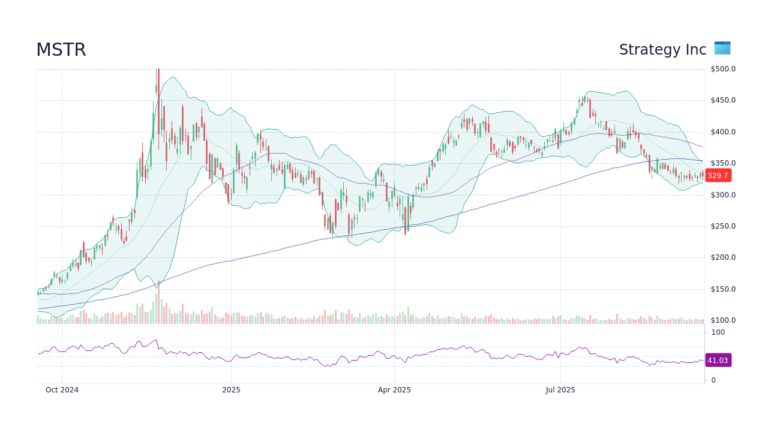
The cryptocurrency market has witnessed considerable fluctuations recently, with Bitcoin hitting historical highs in 2021. According to CoinMarketCap, the total market capitalisation of cryptocurrencies surged past $2 trillion, reflecting growing investment interest. Institutional investors are increasingly entering the space, with companies like Tesla and MicroStrategy allocating significant portions of their treasuries to Bitcoin. Additionally, the emergence of decentralized finance (DeFi) platforms has expanded trading opportunities, allowing users to trade assets without intermediaries.
Furthermore, the rise of Non-Fungible Tokens (NFTs) as a form of digital ownership has added another layer to cryptocurrency trading. Investors are now diversifying their portfolios by including NFTs, which have seen explosive growth in value and popularity.
Challenges Facing Cryptocurrency Traders
Despite its promising potential, cryptocurrency trading comes with distinct challenges. The high volatility of cryptocurrency prices can lead to substantial losses, making it crucial for traders to adopt strategies that can mitigate risks. Regulatory scrutiny has increased globally, with governments looking to implement frameworks to protect investors from fraud and market manipulation. The ever-changing regulatory environment can create uncertainty for traders, prompting them to remain informed about the legalities of trading in their respective jurisdictions.
Conclusion
In conclusion, cryptocurrency trading continues to evolve, reflecting broader economic trends and technological advancements. As institutional involvement increases and new trading platforms emerge, the market is likely to see continued volatility mixed with opportunities for profit. For investors, staying informed about market trends, regulatory news, and technological developments will be crucial to making sound trading decisions. As we move forward, the significance and acceptance of cryptocurrency trading in the mainstream financial market will become even more apparent, potentially reshaping how we perceive traditional finance.