Introduction
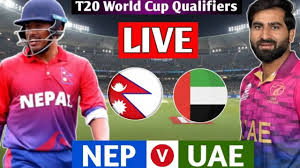
The comparison between Nepal and the United Arab Emirates (UAE) brings to light significant cultural, economic, and developmental contrasts and similarities between these two distinct nations. While Nepal is a landlocked country rich in natural beauty and heritage, the UAE stands as a beacon of modernity and economic prowess in the Middle East. Understanding these elements is crucial, especially for those considering travel, trade, or cultural exchange between the two countries.
Economic Comparisons
The economic landscape of Nepal and the UAE presents a striking contrast. The UAE boasts one of the fastest-growing and most diversified economies in the world, primarily driven by oil revenues, but also significantly bolstered by tourism, aviation, and finance. In 2021, the UAE’s GDP was approximately $501 billion, with a per capita income that ranks among the highest globally.
On the other hand, Nepal’s economy is largely agrarian, with the agricultural sector employing over 60% of its workforce. While the country has seen growth, with a GDP of around $36 billion in 2021 and a per capita income significantly lower than the UAE’s, challenges such as political instability and natural disasters have hindered more robust economic development.
Tourism and Culture
Tourism plays a vital role in both nations, though the focus differs. Nepal is renowned for its majestic mountains, including Mount Everest, and is a paradise for trekkers and nature enthusiasts. The country also has deep spiritual roots, with many visitors attracted to its diverse range of religions and cultural practices.
Conversely, the UAE is known for its luxury tourism, featuring opulent infrastructure and attractions like the Burj Khalifa and extravagant shopping malls. The cultural landscape of the UAE, albeit deeply influenced by Islam, is increasingly cosmopolitan due to its expatriate population, showcasing a blend of eastern and western cultures.
Political Landscape
Politically, Nepal is a federal democratic republic, where vibrant multiparty politics has defined its recent history. In contrast, the UAE operates a unique system of governance with a federation of monarchies, providing stability but limiting democratic engagement as found in many other nations.
Conclusion
In conclusion, Nepal and the UAE illustrate two distinct narratives on the global stage, shaped by their geography, culture, economy, and governance. While the UAE exemplifies rapid modernity and wealth, Nepal captivates with its rich heritage and natural beauty. As globalization continues to forge connections worldwide, understanding such contrasts will foster better diplomatic and cultural exchanges. The future could see enhanced bilateral relations, particularly in tourism and trade, benefiting both nations as they navigate their unique paths.