Introduction to Phishing
In today’s digital age, cybersecurity remains a paramount concern for individuals and organisations alike. Among various cyber threats, phishing has emerged as one of the most prevalent tactics used by cybercriminals. Phishing scams exploit human psychology to trick individuals into revealing sensitive information, making awareness and education on this topic crucial for anyone who uses the internet.
What is Phishing?
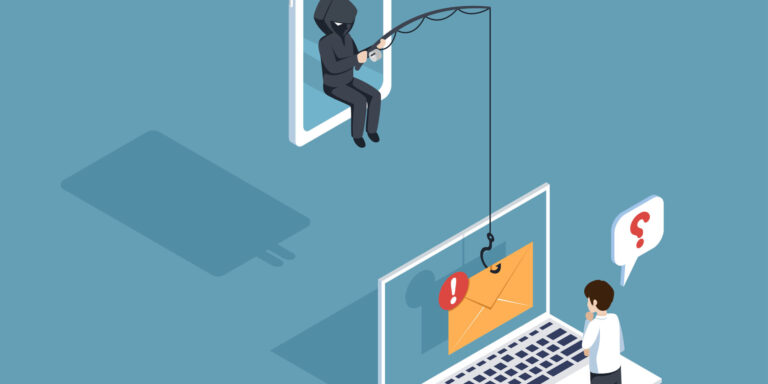
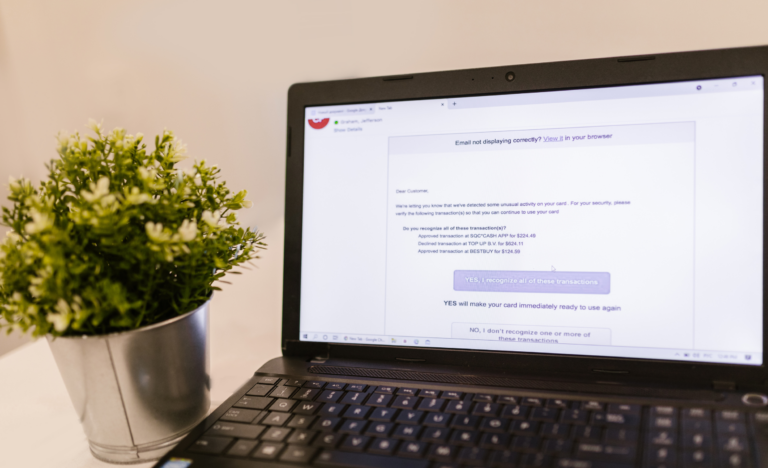
Phishing is a type of cyber attack where attackers impersonate legitimate entities to deceive users into providing sensitive data, such as usernames, passwords, credit card numbers, or other personally identifiable information. This is often done through fraudulent emails, messages, or websites that appear credible. A common phrase in cybersecurity is, ‘If it seems too good to be true, it probably is’—and this applies directly to phishing schemes.
Recent Trends and Techniques
Data from the Webroot Threat Report reveals that phishing attacks have increased by 35% in 2023 alone, showcasing that cybercriminals are continuously evolving their tactics. Some recent techniques include spear phishing, where attackers target specific individuals with tailored messages, and whaling, which is directed at high-profile targets such as executives. Furthermore, phishing is increasingly moving beyond email, with attacks being carried out through social media, SMS (smishing), and telephone calls (vishing).
Notable Incidents
One of the most significant phishing incidents occurred in 2020 when attackers exploited a Google Docs phishing scam that spread via an email claiming to share a document. This incident was particularly damaging as it impacted a vast number of users. Another incident involved major corporations like Microsoft and PayPal being impersonated, leading to significant financial losses and data breaches.
How to Protect Yourself
Awareness is the first line of defence against phishing. Users should verify unsolicited communications and look for red flags, such as grammatical errors or unusual sender addresses. Additionally, using multifactor authentication can add an extra layer of security. Regularly updating passwords and using password managers can also help mitigate risks.
Conclusion
In conclusion, phishing remains a pervasive threat in our digital landscape. Its evolving nature necessitates that users stay informed and vigilant. As technology advances, so do the tactics of cybercriminals, signalling the importance of ongoing education and robust security measures to protect personal and organisational data from phishing attacks.