Introduction to Phishing
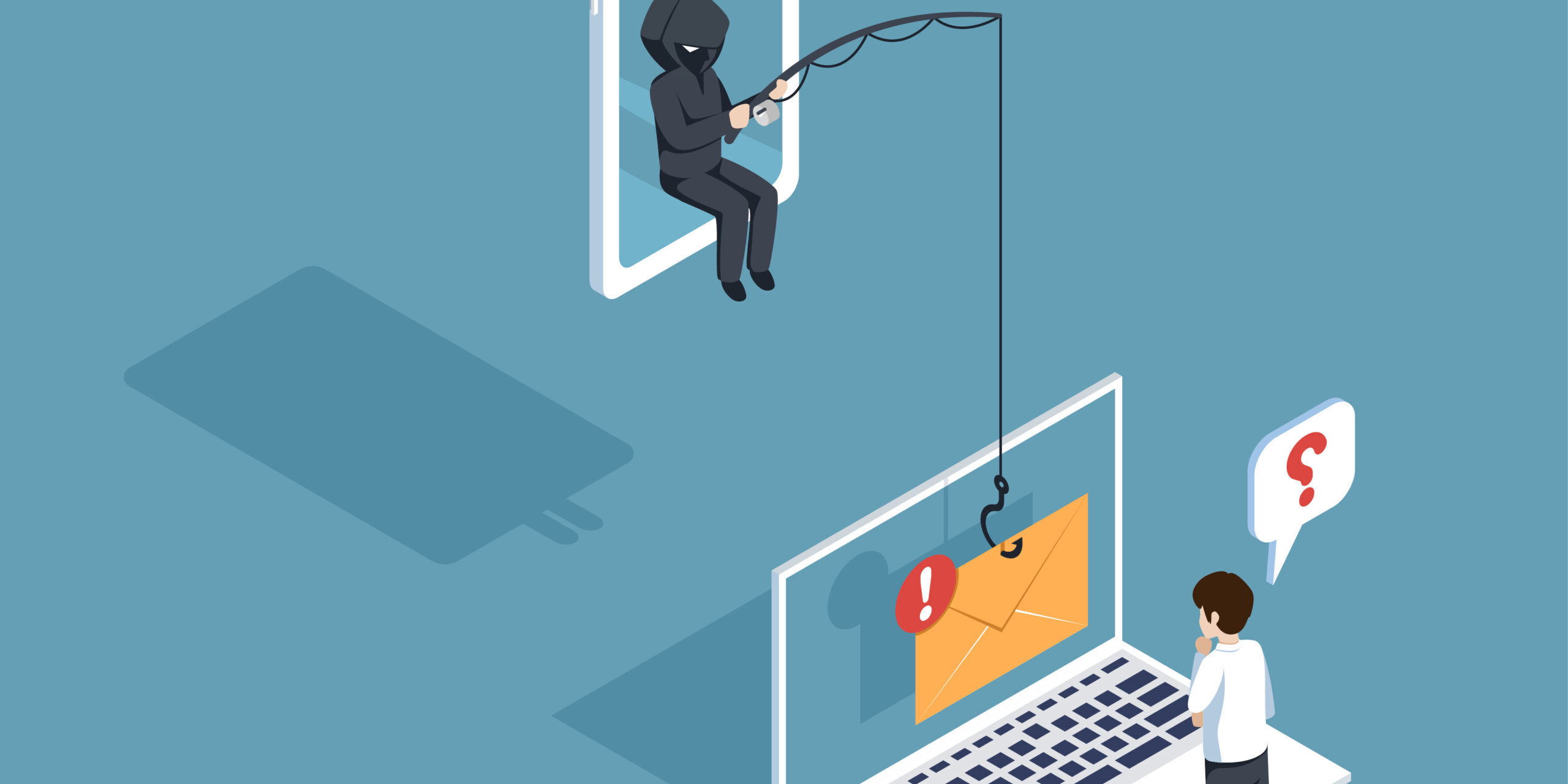
Phishing is a form of cybercrime that involves tricking individuals into providing sensitive information, such as passwords, credit card numbers, and personal identification details. As digital interaction increases, phishing has become a significant threat to internet users and businesses alike. Understanding what phishing is, how it operates, and how to prevent it is critical in today’s connected world.
How Phishing Works
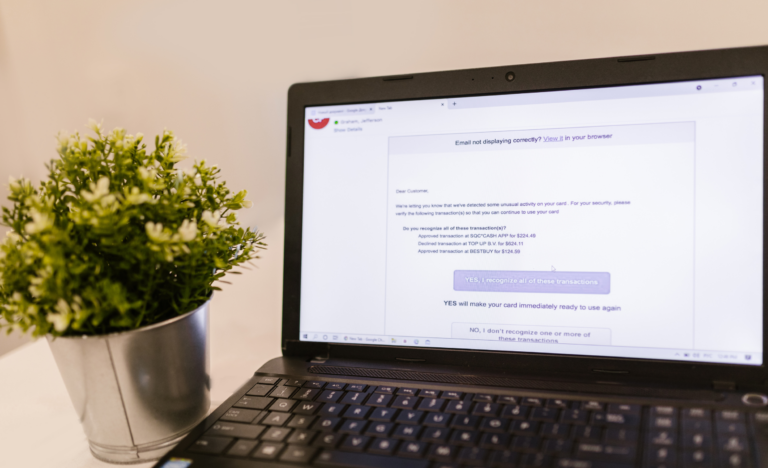
Phishing attacks often come in the form of deceptive emails, messages, or websites that look legitimate. Cybercriminals attempt to disguise themselves as trustworthy entities, such as banks, government agencies, or popular brands. These communications typically urge recipients to take immediate action, such as clicking on a link or providing personal information.
Different types of phishing include:
- Email Phishing: The most common form, where attackers send emails that prompt users to click on malicious links or download attachments.
- Spear Phishing: A targeted attack where specific individuals or companies are chosen, making the deception more convincing.
- Whaling: A sophisticated phishing attack directed at high-profile targets, such as executives or key personnel.
- Smishing and Vishing: Phishing conducted via SMS and voice calls, respectively, where victims are tricked into revealing personal information.
Recent Trends and Impact
In recent years, phishing attacks have become increasingly advanced, often employing social engineering techniques to manipulate victims’ emotions and provoke urgency. According to data from the Anti-Phishing Working Group (APWG), the number of phishing attacks has surged, with reports indicating a record high of over 300,000 phishing sites being created monthly as of 2023.
Phishing not only poses risks for individuals but also has substantial financial implications for businesses. Victims often face direct financial losses, while companies can suffer from reputational damage, legal liabilities, and operational disruptions.
How to Protect Yourself
To guard against phishing attacks, individuals and businesses should take proactive measures, including:
- Using email filtering systems to detect and block phishing attempts.
- Implementing multi-factor authentication to add an extra layer of security.
- Educating employees and users about the signs of phishing.
- Regularly updating security software and systems to safeguard against vulnerabilities.
Conclusion
As phishing tactics continue to evolve, staying informed about what phishing is and how to recognise it is crucial. By fostering awareness and implementing robust security measures, individuals and businesses can significantly reduce their risk of falling victim to these increasingly sophisticated cyber threats. Vigilance and education are key in the battle against phishing.