Introduction to Phishing
In our increasingly digital world, online security has never been more critical. One of the most pervasive threats individuals and organisations face today is phishing. Phishing is a form of cybercrime that involves deceiving users into providing sensitive information by posing as a trustworthy entity. Understanding phishing is essential for safeguarding personal and financial data.
What is Phishing?
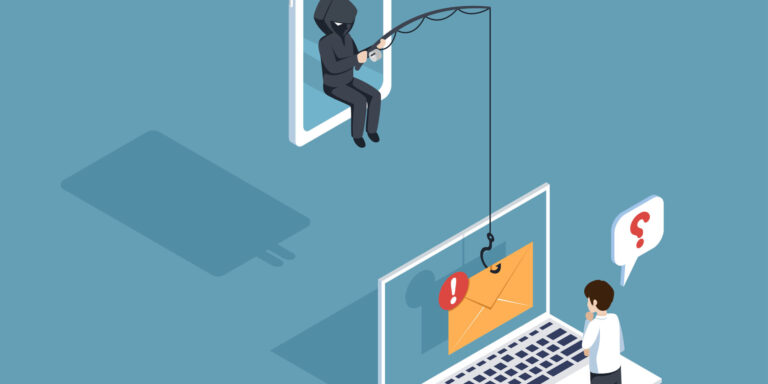
Phishing is a technique used by cybercriminals to trick users into revealing personal information such as usernames, passwords, credit card details, and other confidential information. This is often done through deceptive emails, instant messages, or websites that mimic legitimate sources. The term ‘phishing’ is derived from the idea of ‘fishing’ for sensitive data — the bait being the fraudulent communication designed to lure unsuspecting victims.
How Phishing Works
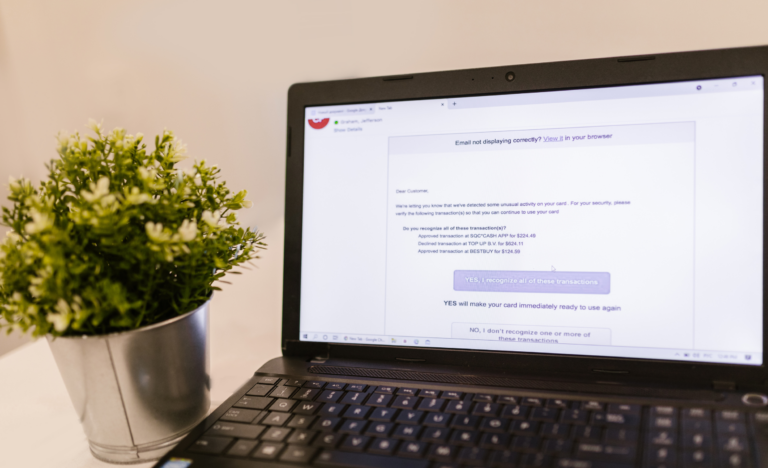
Typically, a phishing attack starts with the victim receiving an email or message that appears to come from a reputable organisation, such as a bank, tech company, or even a colleague. These communications often contain alarming messages urging the recipient to act quickly, such as confirming account details or updating security settings. A link is usually included that, when clicked, directs the user to a counterfeit website designed to look legitimate.
Recent Statistics and Trends
According to the Anti-Phishing Working Group (APWG), phishing attacks have surged in the past year, with reports indicating an increase of over 40% in phishing attempts globally. This rise can be attributed to the COVID-19 pandemic, which saw a spike in online activities and a corresponding increase in cyber threats, as attackers sought to exploit the vulnerabilities of an unprepared population.
Protecting Yourself from Phishing
To protect against phishing attacks, users should be vigilant about the communications they receive online. Here are some crucial tips:
- Always verify the sender’s email address and be cautious of unfamiliar sources.
- Look for signs of a phishing attempt, such as poor grammar or urgency.
- Never click on suspicious links or provide personal information unless absolutely necessary and confirmed.
- Utilise multi-factor authentication for additional security on sensitive accounts.
Conclusion
Phishing remains a significant threat in the digital landscape, affecting millions of users worldwide. As phishing tactics evolve, it is crucial for individuals and businesses to remain informed and take proactive measures to protect themselves. By understanding what phishing is and how to identify it, we can better defend against these malicious attacks and safeguard our information in an ever-changing online environment.