Introduction
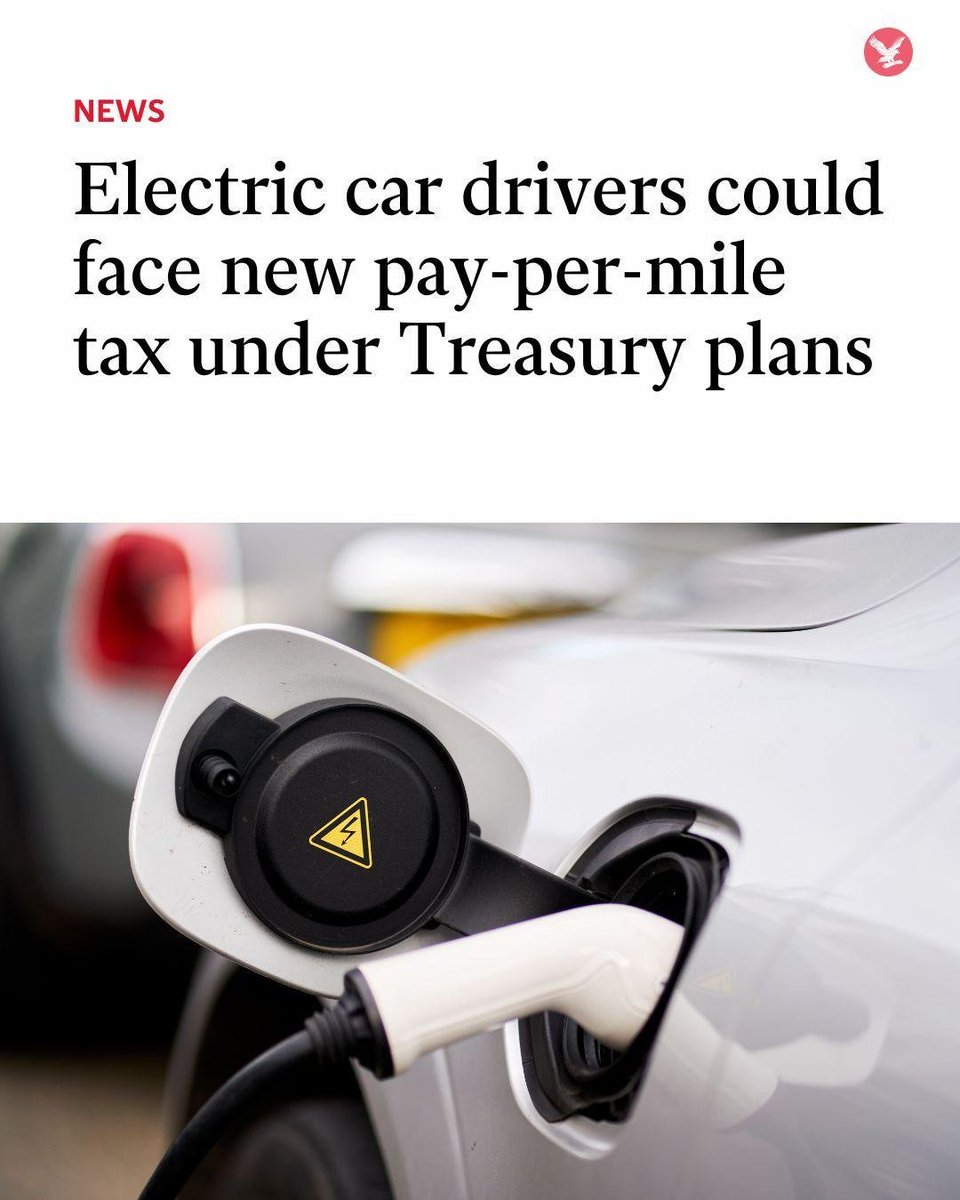
The concept of a pay per mile tax on electric cars has gained significant attention in the UK as the government explores innovative funding methods for road maintenance and infrastructure. With a rapid increase in electric vehicle (EV) adoption, there’s growing concern over the declining revenues from traditional fuel taxes. This topic is not only pertinent for future transport policies but also impacts drivers, local economies, and environmental sustainability initiatives.
The Proposal
As EV ownership rates continue to soar, currently estimated at over 500,000 in the UK, the government faces a challenge in balancing funding for road upkeep without penalising greener choices. Proposals for a pay per mile tax aim to charge drivers based on their mileage rather than fuel consumption. This approach has the potential to generate a stable revenue source while encouraging responsible driving habits.
Currently, 43% of local authorities in England have expressed interest in piloting road pricing schemes as an alternative to vehicle excise duty (VED). The method of implementing this tax could vary, potentially involving GPS technology or odometer readings to measure distances travelled. NRW (National Roads Worker) estimates indicate that a national scheme could yield billions in annual revenue.
Benefits and Concerns
Proponents of the pay per mile tax argue that it is a fair way to ensure all drivers contribute to the costs of maintaining public roads. Furthermore, it encourages the adoption of electric vehicles by removing reliance on petrol revenue, thereby promoting cleaner transport options.
However, critics raise concerns about equity and privacy. There is apprehension that lower-income households may be disproportionately affected as they may rely on cars more than affluent individuals. Additionally, the use of tracking technology raises fears about surveillance and data privacy.
Current Developments
Recent discussions in Parliament have focused on these concerns as stakeholders debate the logistics and ethics of such a tax. Pilot schemes in cities like London and Bristol are being evaluated, and there is an ongoing call for public consultations to gauge drivers’ perceptions and expectations.
Conclusion
The implementation of a pay per mile tax on electric cars marks a pivotal shift in UK transport policy and taxation. As EVs gain traction and traditional revenue sources diminish, this concept offers a forward-thinking solution to fuel road maintenance. However, it raises critical questions about equity and data privacy that require careful consideration before any large-scale implementation. As the debate unfolds, drivers across the UK must stay informed about potential changes that could impact how they are taxed and the broader implications for environmental strategies.