Introduction
The safety of food products is paramount in ensuring public health, and recent events surrounding the recall of specific tomato sauce brands due to botulism concerns highlight the importance of vigilant food safety standards. Botulism is a rare but potentially fatal illness caused by toxins produced by the bacteria Clostridium botulinum, which can thrive in improperly canned or preserved foods. This recall serves as a significant reminder for consumers and manufacturers alike about the critical need for adherence to food safety protocols.
Details of the Recall
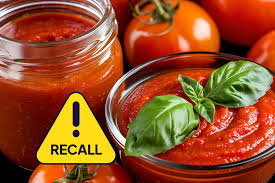
On October 15, 2023, the Food Standards Agency (FSA) announced a recall of several tomato sauce brands after multiple reports of tampering with product seals and concerns over bacterial contamination. Among these brands, popular names such as ‘Delicious Delights’ and ‘Homegrown Sauces’ were implicated, with batches dated January 2023 to July 2023 being particularly flagged for unsafe consumption. Consumers are advised to check their kitchens for these brands and to refrain from consuming any affected products.
Investigations revealed that some jars exhibited signs of swelling and discoloration, which are red flags for potential botulism contamination. The authorities have urged anyone who has purchased these products to return them to the place of purchase for a full refund and to dispose of any remaining sauces safely.
Health Implications and Safety Tips
Symptoms of botulism can include fatigue, weakness, blurred vision, and difficulty swallowing or speaking. If individuals suspect they have consumed a contaminated product and experience these symptoms, they are urged to seek immediate medical attention. An important safety note is that botulism can occur even in sealed jars, emphasizing the importance of visual inspections before consumption.
Conclusion
The recent tomato sauce recall due to botulism concerns serves as an essential wake-up call about food safety practices. While food processing companies must uphold stringent quality controls, consumers also bear responsibility for being vigilant before consuming products. In light of this incident, it is likely that regulatory agencies will further reinforce safety examinations and encourage more robust consumer education on recognizing and reporting food safety violations.
As this story unfolds, safety advocates are urging manufacturers to implement advanced quality assurance checks to mitigate similar risks in the future. The importance of consumer awareness and proactive measures cannot be overstated in the battle against foodborne illnesses.