Introduction to Council Tax
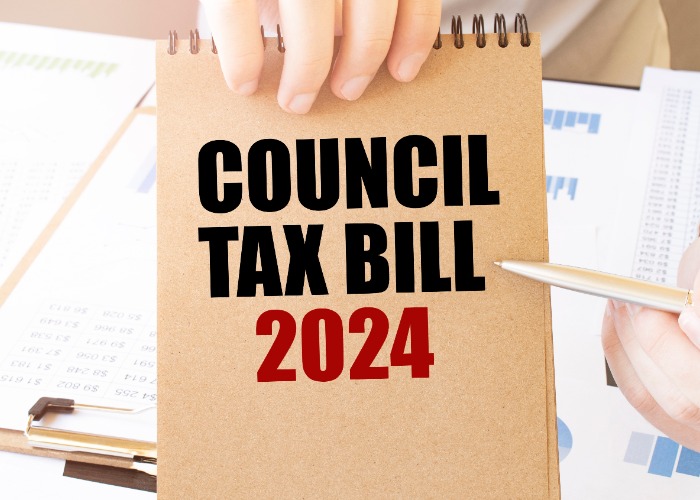
Council tax is a significant local tax in the United Kingdom, contributing to the funding of local services such as education, waste management, and social care. Understanding how council tax operates, recent reforms, and its impact on households is essential, especially as many residents face rising costs in their daily lives.
What is Council Tax?
Introduced in 1993 as a replacement for the Community Charge (or ‘Poll Tax’), council tax is levied on residential properties, with councils determining the tax rate based on property banding. Each property is assigned to a band from A (the lowest value) to H (the highest value), affecting how much residents pay.
The Current Landscape
As of 2023, council tax rates are seeing significant changes throughout the UK due to various fiscal pressures and the increasing demand for local services. Many councils have now raised their council tax rates in response to challenges posed by inflation and rising operational costs. A recent survey indicated that more than 90% of English councils have raised council tax this year, with average increases around 4%. Public sentiment remains divided; while some residents understand the need for funding, others express dissatisfaction over rising bills amid a cost-of-living crisis.
Recent Changes and Reforms
In 2023, the government announced measures aimed at reforming council tax to ensure fairer contributions from higher-value properties. The proposal includes re-evaluating the banding system, adjusting thresholds, and introducing a potential surcharge on second homes and empty properties. This aims to alleviate the burden on low and middle-income households while ensuring that wealthier property owners contribute more equitably.
Impact on Households
The rise in council tax, coupled with other financial pressures, poses challenges for many UK families. Households with limited incomes are particularly vulnerable to these changes, leading to increased discussions around financial assistance programs and exemptions for those in need. Local councils are also urged to provide clearer communication regarding council tax liabilities and available support services.
Conclusion
Council tax remains a vital source of funding for local authorities across the UK. As we progress through 2023, ongoing discussions around reforms, rate increases, and household impacts are crucial. Residents are encouraged to stay informed about their rights and available support, as well as participate in local consultations to voice their perspectives on future council tax policies. The outcome of these discussions not only affects the financial wellbeing of households but also the provision of essential services in communities.