Introduction
The emergence of a new COVID-19 strain in 2025 has raised concerns among health officials and the public alike. With the ongoing impact of the pandemic since its onset in 2019, staying informed about potential symptoms of new variants is crucial for public health and safety. This article details the symptoms associated with this new strain and its implications.
Current Findings on Symptoms
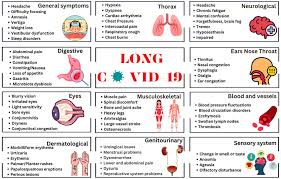
As of early 2025, researchers have identified several symptoms characteristic of the new COVID strain. These symptoms appear to vary slightly from those associated with previous strains like Delta and Omicron. Most commonly reported symptoms include:
- Fever or chills
- Cough
- Shortness of breath or difficulty breathing
- Fatigue
- New loss of taste or smell
- Muscle or body aches
- Headache
- Sore throat
- Congestion or runny nose
Additional reports suggest that some patients experience gastrointestinal symptoms, such as nausea and diarrhoea, while others may develop skin rashes. These variations in symptoms highlight the importance of staying vigilant and consulting health professionals as necessary.
Global Response and Recommendations
Health organisations, including the World Health Organisation (WHO) and the Centres for Disease Control and Prevention (CDC), are actively monitoring the situation and advising individuals to remain cautious. Vaccination is still considered one of the primary tools to combat severe illness from COVID-19, and booster shots are recommended to reduce the risk of symptoms associated with emerging strains.
Additionally, experts advocate for preventive measures such as wearing masks in crowded or poorly ventilated settings, maintaining good hygiene practices, and staying updated with local health advisories. Community health initiatives have also ramped up as governments strive for early detection and containment of the new variant.
Conclusion
The introduction of a new COVID strain in 2025 highlights the evolving nature of the virus and the importance of public awareness regarding its symptoms. Being knowledgeable about these symptoms allows individuals to seek timely medical attention and helps reduce transmission rates. As the global community continues to adapt to this virus, it is critical to remain engaged with health guidance and vaccination efforts to navigate through this new challenge effectively.