Introduction
Parkinson’s disease is a progressive neurological disorder affecting millions of individuals globally. As one of the most common neurodegenerative diseases, it presents not only personal health challenges but also significant socio-economic implications. Recent advancements in research, diagnostics, and treatment have rekindled public interest and awareness, making it crucial to understand the latest developments surrounding this disease.
What is Parkinson’s Disease?
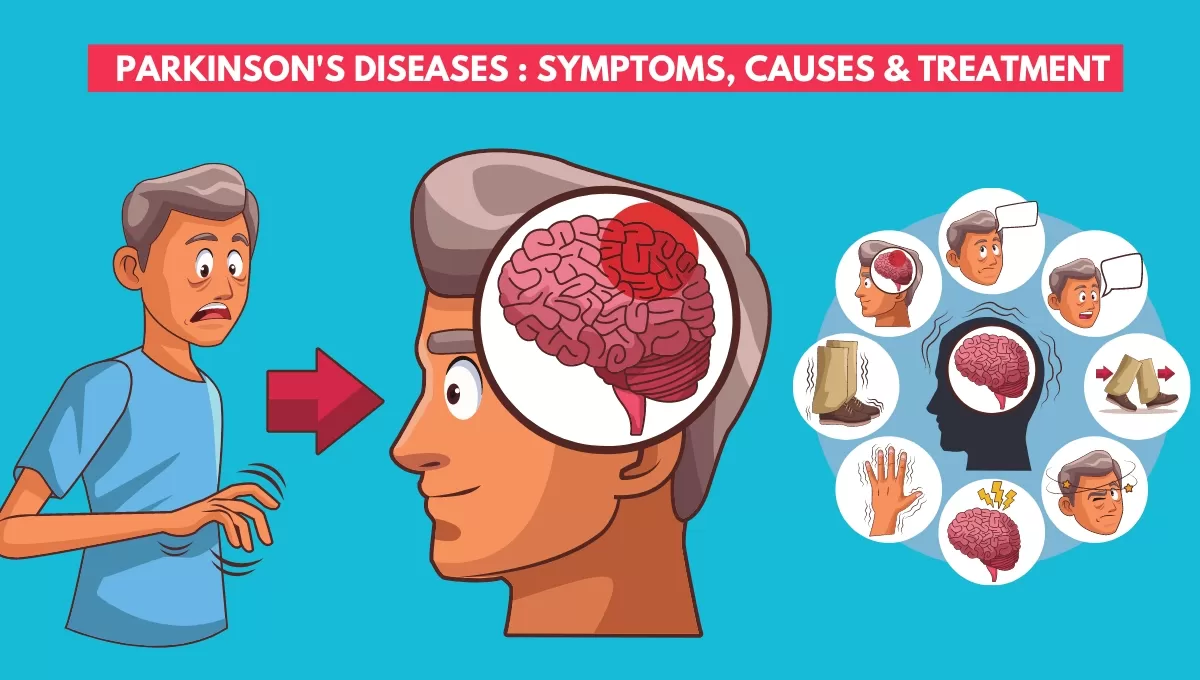
Parkinson’s disease primarily affects movement. Symptoms typically develop gradually and can include tremors, stiffness, slowed movement, and balance issues. While the exact cause remains elusive, most cases are idiopathic, with factors such as genetics, environmental elements, and age contributing to the risk. According to the Parkinson’s Foundation, approximately 145,000 individuals in the UK alone live with the condition.
Recent Research Developments
Recent studies have provided fresh insights into the biological mechanisms underlying Parkinson’s disease. Research published in 2023 has identified the role of inflammation in the progression of the disease, opening new avenues for treatment. Scientists are now exploring anti-inflammatory medications that could potentially slow the disease’s advancement. Moreover, groundbreaking clinical trials are investigating gene therapies aimed at correcting defective genes associated with Parkinson’s.
Advancements in Treatment
While there is no cure, treatment options for Parkinson’s disease have improved dramatically over the years. Traditional therapies such as Levodopa remain the gold standard for symptom management, yet newer approaches include advanced deep brain stimulation and non-invasive surgical interventions that offer hope for improved quality of life. In addition, lifestyle modifications, such as exercise and diet, are also recommended, reinforcing the importance of a holistic approach to care.
Conclusion
As research advancements continue to shed light on Parkinson’s disease, there is increasing hope for innovative treatment modalities that can improve patients’ quality of life. For individuals diagnosed with Parkinson’s, ongoing support, research participation, and awareness are vital. The significance of understanding this disease cannot be overstated, as it not only affects the individuals diagnosed but also the family members and communities surrounding them. With continued investment in research and public awareness efforts, it is hoped that a future free from the burdens of Parkinson’s disease is on the horizon.