Introduction
Statins are widely prescribed medications aimed at lowering cholesterol levels and reducing the risk of cardiovascular disease. They play a crucial role in the management of heart health, contributing significantly to the prevention of strokes and heart attacks. However, as with any medication, statins can cause side effects that may raise concerns among patients and healthcare providers.
Common Side Effects
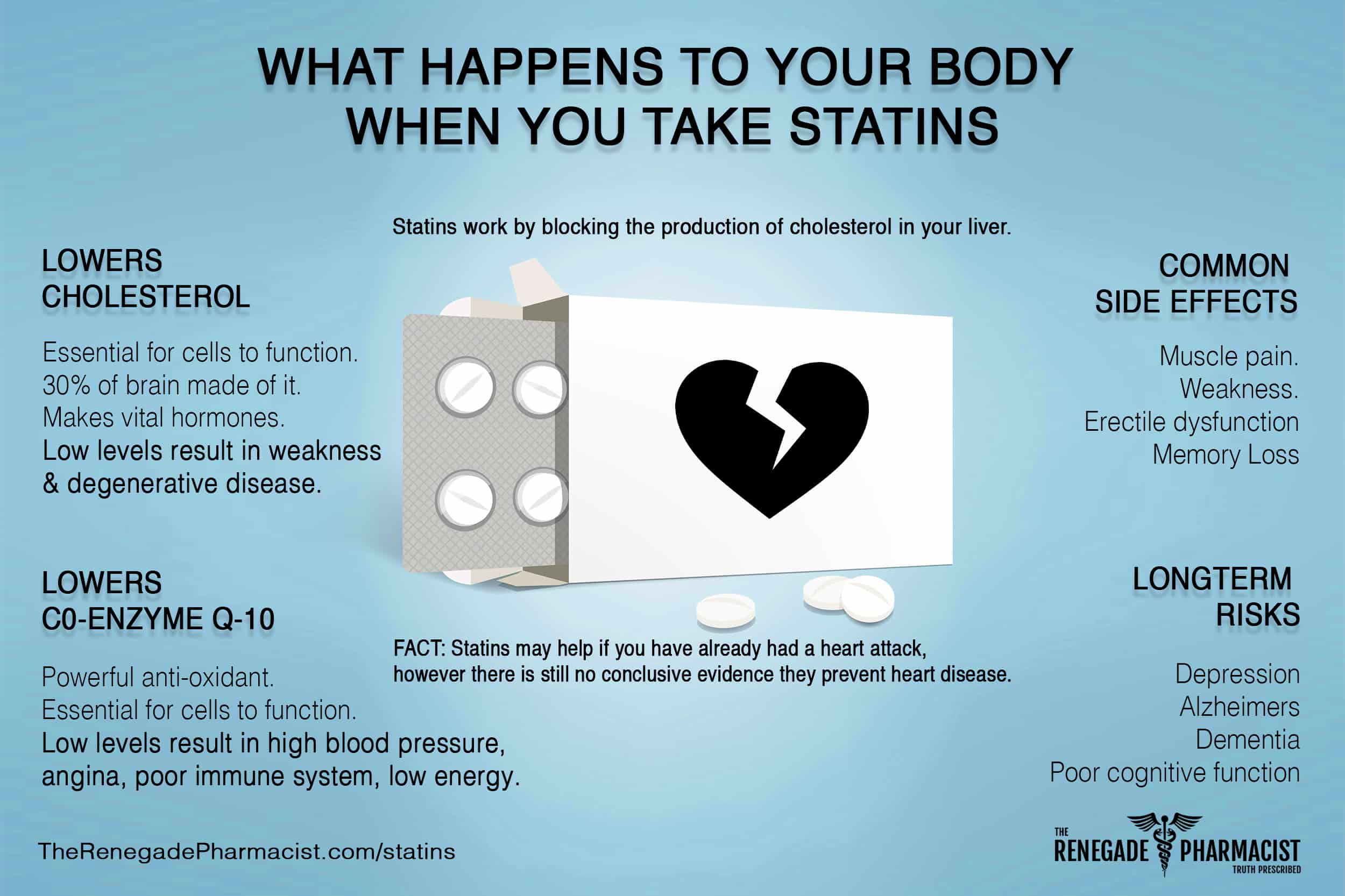
Recent data indicate that while many patients tolerate statins without issues, some may experience adverse effects. The most commonly reported side effects include:
- Mild muscle pain: Affected individuals may experience discomfort, cramping, or weakness in their muscles.
- Digestive issues: Problems such as bloating, nausea, or constipation may occur.
- Increased liver enzymes: Some patients may see a rise in liver enzymes, which can indicate liver inflammation.
Serious but Rare Side Effects
Though infrequent, certain serious side effects have been linked to statin use. These include:
- Rhabdomyolysis: A severe condition involving muscle breakdown that can lead to kidney damage.
- Diabetes risk: Some studies suggest a potential increase in the risk of developing type 2 diabetes among patients using statins, particularly those with pre-existing risk factors.
Current Research and Perspectives
Ongoing research continues to evaluate the safety profile of statins. A recent study published in the American Journal of Cardiology highlights the need for careful monitoring of patients on statins, especially those reporting any side effects. Experts suggest that healthcare providers should weigh the benefits of statin therapy against the risks of side effects, tailoring treatment plans accordingly.
Conclusion
While statins are effective for many in managing cholesterol levels and reducing cardiovascular events, awareness of potential side effects is crucial for patients and healthcare professionals. Individuals prescribed statins should maintain open communication with their healthcare provider to address any concerns and ensure optimal treatment outcomes. Future research may further clarify the balance between statin efficacy and side effect management, empowering patients with more information to make informed decisions about their heart health.