Introduction to Parkinson’s Disease
Parkinson’s disease is a progressive neurodegenerative disorder that affects movement control. It predominantly affects older adults and is known to cause tremors, stiffness, and difficulty with balance and coordination. With approximately 145,000 people living with Parkinson’s disease in the UK alone, this condition has significant implications for healthcare and society as a whole. Understanding Parkinson’s is essential for enhancing patient care and advancing research into more effective treatments.
Key Symptoms and Diagnosis
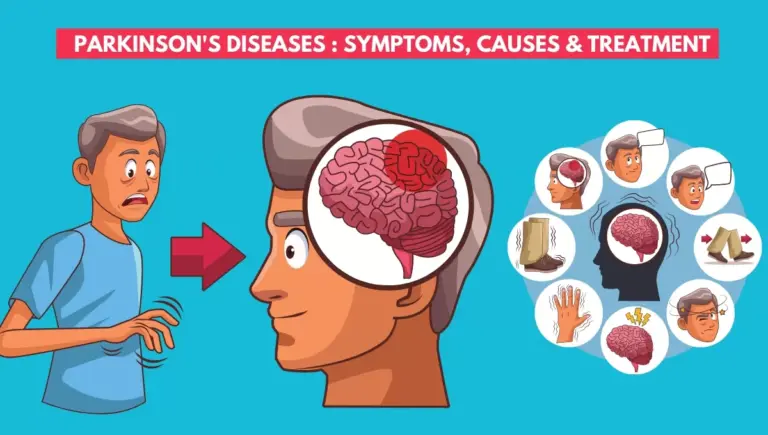
The symptoms of Parkinson’s disease typically develop gradually and can vary from person to person. The most common signs include:
- Tremors, especially when the limbs are at rest.
- Bradykinesia, or slowness of movement.
- Muscle rigidity and stiffness.
- Postural instability, affecting balance.
- Non-motor symptoms such as sleep disturbances, fatigue, and depression.
Diagnosis involves a thorough medical history and neurological examination, with no definitive test available. Physicians often use clinical criteria and may refer patients for brain imaging to rule out other conditions.
Current Treatments and Research
While there is currently no cure for Parkinson’s disease, several treatment options are available to manage symptoms effectively. The primary medication utilized is Levodopa, which helps replenish dopamine levels in the brain. Additionally, other drugs, such as dopamine agonists and MAO-B inhibitors, are employed to manage symptoms, while deep brain stimulation is considered for patients who do not respond to medication.
Recent research has made significant strides in understanding the pathology of Parkinson’s disease, exploring potential neuroprotective strategies, and investigating gene therapies and new drug formulations. Trials are underway to evaluate the efficacy of these innovative approaches, offering hope to those affected by the disease.
Conclusion and Future Outlook
Parkinson’s disease poses a growing concern in an ageing population. With an increased incidence rate, thorough research and public awareness are more critical than ever. Ongoing studies aim for breakthroughs in both understanding the disease and innovating therapeutic options. For those affected, ongoing support services and community initiatives provide essential resources, improving the quality of life for patients and their families. As research progresses, there is a potential for enhanced treatment modalities and, ultimately, a better understanding of this complex condition.