Introduction
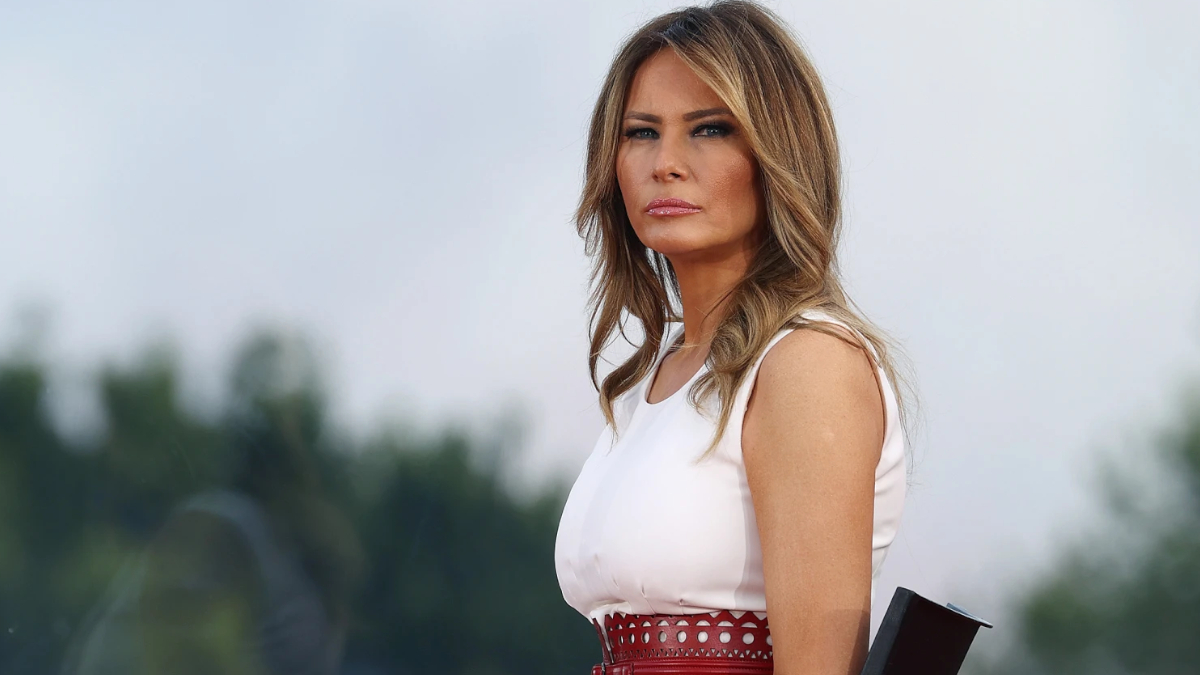
Melania Trump, the wife of Donald Trump, the 45th President of the United States, draws considerable interest not only for her role as First Lady but also for her distinct background. Understanding her nationality is essential to appreciate her life story, which intertwines American culture with her European roots.
Melania Trump’s Background
Born on April 26, 1970, in Slovenia, Melania Trump, originally named Melania Knauss, shares her nationality with the Central European country. Slovenia became an independent nation in 1991, and at that time, Melania was a teenager aspiring to become a model. Her early life in Slovenia exposed her to a different culture and language, while her innate ambition led her to pursue opportunities in the fashion industry.
Journey to the United States
In the late 1990s, Melania moved to the United States to advance her modelling career. It was during this time in New York City that she met Donald Trump at a party in 1998. They married in 2005, and as a result of this marriage, Melania later became a naturalised citizen of the United States in 2006. Today, she holds dual citizenship, both Slovenian and American, which allows her to maintain connections to her homeland while embracing her role in American society.
Significance of Nationality
Melania Trump’s story is not just about her nationality; it represents the experiences of many immigrants who come to the United States to pursue their dreams. Her journey reflects the cultural diversity in the United States as well as the complexities that often accompany being a public figure with foreign origins. During her time as First Lady, Melania advocated for several initiatives, including the ‘Be Best’ campaign aimed at improving children’s well-being and empowering them to make healthier choices.
Conclusion
In conclusion, Melania Trump is both Slovenian and American, embodying the merging of cultures that is prevalent in today’s world. Her life serves as a reminder of the American immigrant experience, showcasing how individuals from different backgrounds can contribute to society and attain significant influence. As we look to the future, her role as a public figure and a voice for both her native and adopted countries may continue to evolve, reminding us of the richness of cultural identity.