Introduction to Mauritania
Mauritania, officially known as the Islamic Republic of Mauritania, is a country located in West Africa. Bordered by the Atlantic Ocean to the west, it shares its land borders with Western Sahara, Algeria, and Mali. As a member of the African Union and the United Nations, Mauritania plays an essential role in regional politics and trade within Africa. Understanding this nation is vital for comprehending the broader socio-political dynamics and cultural richness of the region.
Geographical and Cultural Significance
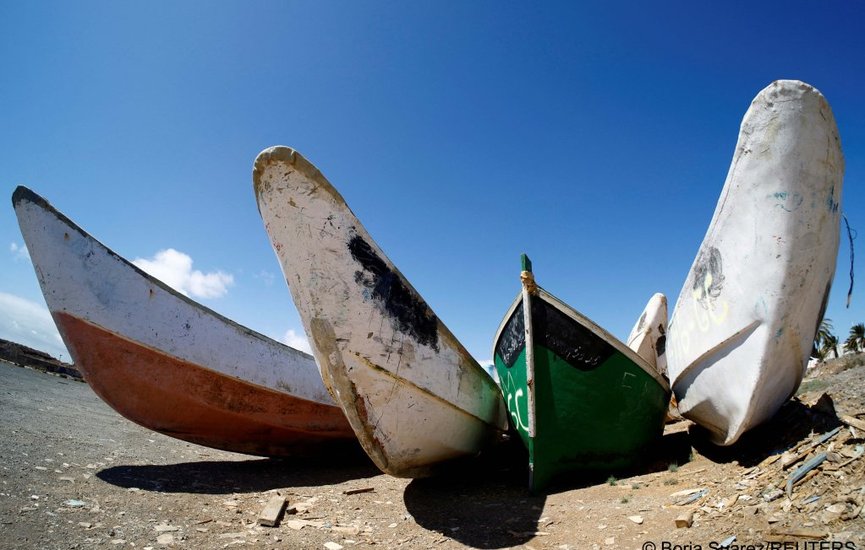
The geography of Mauritania is predominantly desert, with the Sahara covering much of its territory, which influences its climate and lifestyle. The country has a population of approximately 4.5 million, predominantly of Arab-Berber descent, reflecting a blend of cultural heritages that shape its identity. The capital city, Nouakchott, serves as the economic and administrative hub, and its port is significant for trade and fishing activities.
Current Events and Developments
As of 2023, Mauritania is navigating several critical issues, notably in governance and human rights. The nation recently held elections that raised concerns over political repression and electoral fairness, drawing attention from international observers. Furthermore, Mauritania continues to face challenges such as economic development and the management of natural resources, primarily iron ore and fishing. In an effort to diversify its economy, the government is making strides toward enhancing its agricultural sector.
Regional Stability and Challenges
Being situated in a region known for both cultural richness and political turbulence, Mauritania is pivotal in the fight against terrorism and extremism in the Sahel. Bordering states, such as Mali and Algeria, have faced security challenges, and Mauritania’s strategic position acts as a frontline in efforts to maintain regional stability. The government cooperates with international partners, including France and the United States, to bolster security operations and counter-terrorism initiatives.
Conclusion: The Future of Mauritania
Despite the challenges it faces, Mauritania’s future holds promise. With its vast natural resources, rich cultural heritage, and potential for trade, the nation has opportunities to foster economic growth while addressing governance and human rights issues. For the global community, supporting Mauritania’s development is essential not only for the country’s prosperity but also for the stability of the West African region as a whole.