Introduction
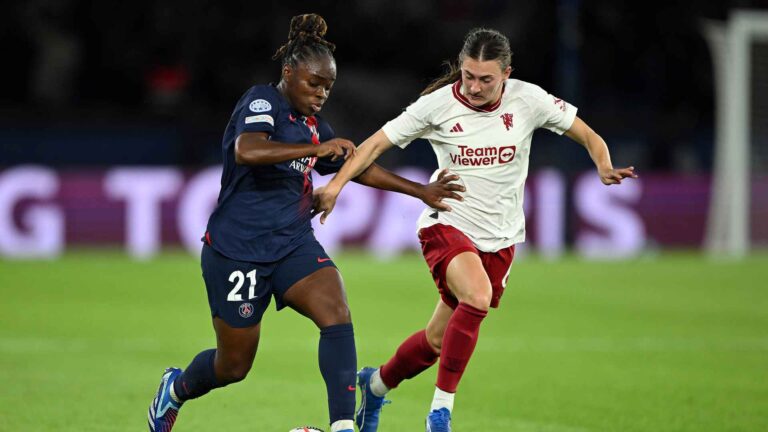
The UEFA Women’s Champions League (UWCL) has emerged as one of the premier competitions in women’s football, showcasing top-tier talent and thrilling matches across Europe. Established in 2001, the tournament has gained significant traction, attracting not only players but also a growing audience worldwide. With the rise of women’s football in popularity, the UWCL is increasingly becoming a focal point for fans and commentators alike.
Recent Developments in the UWCL
This season has seen intensified competition with clubs pulling out all stops to secure the coveted trophy. The group stages, which kicked off in early October 2023, featured 16 teams battling for a place in the knockout rounds. Notable clubs such as FC Barcelona, Chelsea, and Lyon have continued to demonstrate their dominance in women’s football, while emerging teams like BMW Gladbach and AS Roma have also made impressive showings.
In recent matches, FC Barcelona defeated Manchester City 3-1 in a thrilling encounter, highlighting the high level of skill and strategy within the tournament. Meanwhile, Chelsea’s remarkable comeback against Bayern Munich with a 2-0 victory solidified their position as serious contenders this season.
The Significance of the UWCL
The UWCL is not just about football; it serves as a platform for gender equality in sports. The increasing salaries and media coverage of female athletes illustrate a shift in society’s attitudes towards women’s sports. UEFA’s commitment to promoting women’s competitions echoes its stance to enhance visibility and credibility, showing that female athletes can perform at the highest levels with proper support.
This season’s final will be held at the prestigious Wembley Stadium in London, an event expected to draw significant crowds and attention, showcasing the growing interest in women’s sporting events.
Looking Ahead
As the competitions progress, all eyes will be on the next phases, where teams will strive for the glory of European Champion. Forecasts suggest that viewership for the finals will outperform last year’s figures due to increased broadcasting partnerships and digital accessibility. The potential for groundbreaking developments in women’s football is palpable, with the UEFA Women’s Champions League at the very heart of this evolution.
Conclusion
The UEFA Women’s Champions League stands as a beacon of progress in women’s sports, reflecting both the challenges and triumphs faced by female athletes globally. As the competition unfolds, the significance of this event transcends football; it reinforces the idea that women deserve equal opportunities and recognition in all sports disciplines. Fans can look forward to witnessing not just a battle for the title but a celebration of women’s achievements in sports.