Introduction
The importance of women’s football has been increasingly recognised globally, with significant growth in both participation and viewership. As a leading club in this area, Manchester United Women’s team has made notable strides since its establishment, demonstrating the potential for success and the impact of professional women’s football.
Recent Achievements
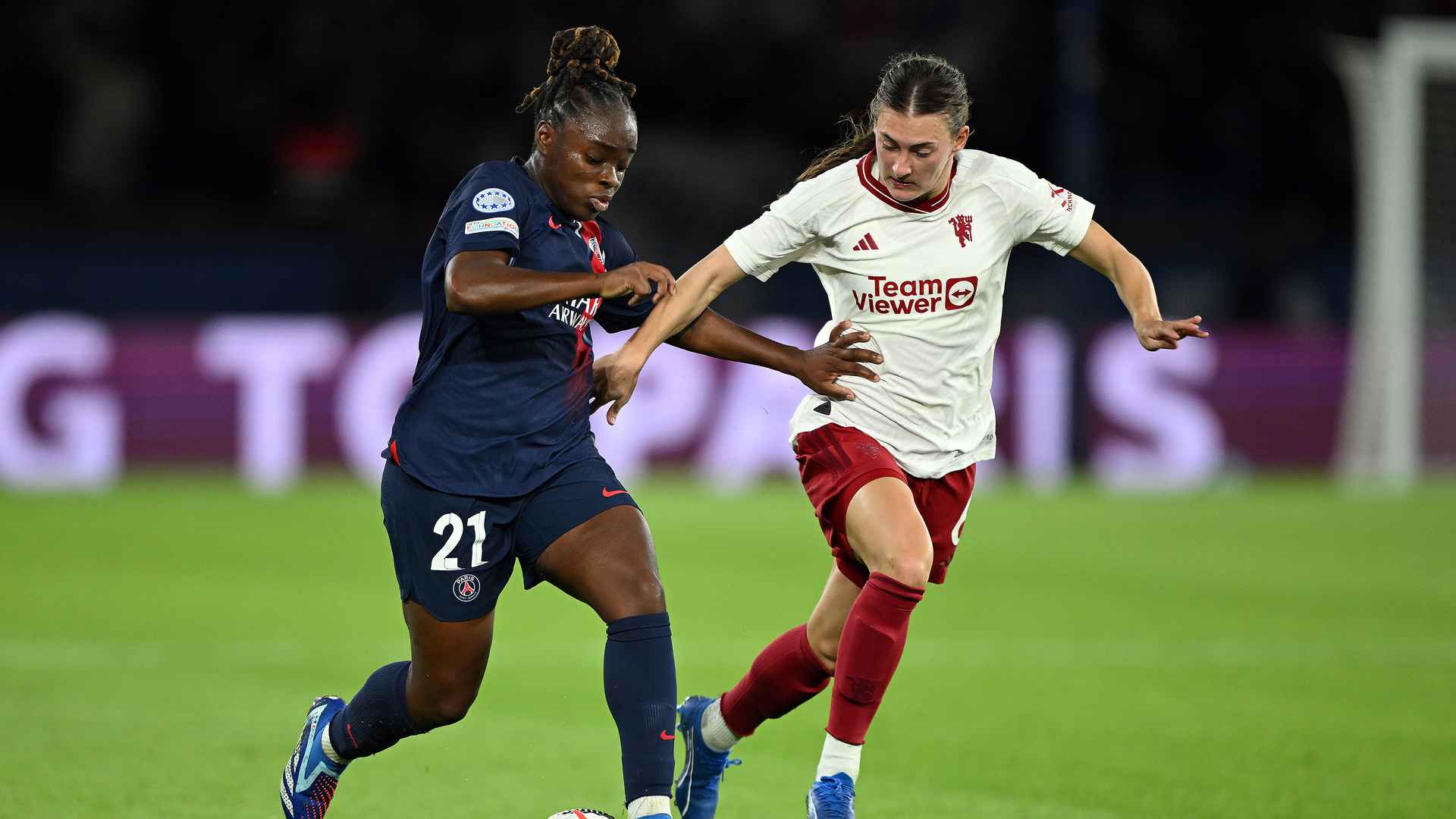
Since their formation in 2018, Manchester United Women have quickly risen through the ranks of the Women’s Super League (WSL). In the 2022-2023 season, they secured a commendable second-place finish, qualifying for the UEFA Women’s Champions League for the first time. This milestone signals their emergence as a force in women’s football, alongside traditional powerhouses such as Arsenal and Chelsea.
The team has benefited greatly from a solid coaching foundation and investment in player development. Under the guidance of current head coach Marc Skinner, the squad has showcased an attacking style of play combined with disciplined defence, creating a competitive edge in league matches. Key players like Ella Toone and Alessia Russo have not only been instrumental on the pitch but have also become role models for aspiring female footballers.
Community Engagement and Growth
Manchester United Women are also committed to community engagement and the promotion of women’s sports. The club has launched several initiatives aimed at inspiring young girls to pursue football, including outreach programs in local schools and partnerships with grassroots football clubs. These efforts are crucial in breaking down barriers and fostering a new generation of female athletes.
The Future Prospects
Looking ahead, the potential for Man Utd Women is vast. With increased support from the club and growing interest in women’s football, they are well-positioned to build on their recent successes. Their participation in the Champions League will not only enhance their visibility but also attract top-tier talent to the squad. Observers anticipate that further investment in facilities and training will drive consistent performances in domestic and international competitions.
Conclusion
In conclusion, Manchester United Women represent a significant development within the landscape of women’s football, blending competitive spirit with community commitment. As they continue to rise, their journey will be closely followed by fans and analysts alike, who see promise in their vision for the future. The club’s trajectory suggests a bright path ahead, contributing to broader narratives around equality and empowerment in sports.