Introduction
Loch Ness, located in the Scottish Highlands, is renowned not only for its stunning scenery but also as the home of the legendary Loch Ness Monster. Its deep, dark waters and picturesque surroundings make it a significant locus of interest for tourists and researchers alike. As one of the largest freshwater lakes in the UK, Loch Ness attracts hundreds of thousands of visitors every year, all eager to glimpse its mythical creature while also enjoying the beauty of the natural landscape.
The Loch Ness Phenomenon
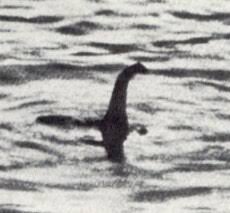
The Loch Ness Monster is perhaps the most famous cryptid in the world. Reports of sightings date back to the 6th century when Saint Columba was said to have encountered a monster in the loch. However, modern interest surged in the 1930s following a purported photograph known as the ‘Surgeon’s Photograph,’ which many believe depicts the creature. Despite numerous investigations and searches, including sonar explorations and underwater photography, no definitive proof of its existence has been found, leading many to speculate about the nature of the Loch Ness phenomenon.
Recent Developments
In recent years, new technologies, such as environmental DNA (eDNA) testing, have been employed to explore the loch’s depths. In 2018, a study led by scientists from New Zealand analysed water samples from Loch Ness, revealing a plethora of species, including eel DNA, which reignited discussions about the possibility of a large creature residing in the loch. Results like these suggest that while the Loch Ness Monster may remain elusive, the loch is indeed teeming with life.
Local Economy and Tourism
The legend of Loch Ness significantly contributes to the local economy. The region is home to numerous attractions, including boat tours, visitor centres, and historical sites such as Urquhart Castle, located on the banks of the loch. Tourism associated with the Loch Ness Monster alone generates millions of pounds each year, making it a vital aspect of the area’s economic stability. Local businesses rely heavily on the influx of tourists, particularly in the summer months, when the lore of the creature draws curious visitors from around the globe.
Conclusion
Loch Ness continues to captivate imaginations as it encapsulates both natural beauty and intriguing mystery. The ongoing interest in the legends and the loch’s ecology highlights the need for preservation efforts to ensure its continued allure for future generations. Whether or not the Loch Ness Monster ever materialises, the enigma surrounding it ensures that Loch Ness remains a cherished part of Scottish heritage and a focal point for scientific and leisure pursuits alike.