Introduction
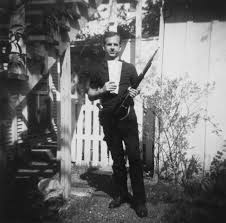
Lee Harvey Oswald is a name synonymous with political assassination, specifically the murder of President John F. Kennedy on November 22, 1963. The implications of this event transcended beyond the tragic loss of a leader; it marked a turning point in American history, influencing public trust in government institutions and sparking numerous conspiracy theories that endure to this day. This article delves into the life of Oswald, the events surrounding that fateful day, and his lasting legacy in American history.
The Early Life of Lee Harvey Oswald
Born on October 18, 1939, in New Orleans, Louisiana, Oswald had a turbulent childhood marked by a troubled family environment and frequent relocations. Following a brief stint in the U.S. Marine Corps, he defected to the Soviet Union in 1959 before returning to the United States in 1962. Oswald’s life in the Soviet Union and his self-identification as a Marxist would later play a pivotal role in shaping the narrative surrounding his motivations for targeting Kennedy.
The Assassination of JFK
On that fateful day in Dallas, Texas, President Kennedy was shot at 12:30 PM while riding in a motorcade. Oswald, who was employed at a nearby building, was arrested mere hours later for the murder of a police officer. Subsequently, he was charged with the assassination of President Kennedy. The rapid unfolding of events and his refusal to admit guilt or provide a coherent motive fueled speculation and conspiracy theories. The Warren Commission, established in 1964 to investigate the assassination, concluded that Oswald acted alone. However, many have disputed this finding, citing a lack of evidence and inconsistencies in eyewitness testimonies.
Oswald’s Legacy and Conspiracy Theories
The assassination of JFK had profound implications for American society, leading to a cascade of conspiracy theories regarding Oswald’s role and possible accomplices. Numerous books, documentaries, and films have attempted to unravel the truth behind his actions. Some theories suggest he may have ties to organized crime or foreign intelligence agencies, while others propose he was merely a scapegoat. The conflicting narratives about Oswald continue to capture the public’s imagination, as many seek to understand not only the events of that day but also the broader implications for democracy and governance in the United States.
Conclusion
Lee Harvey Oswald’s life and actions remain a focal point of historical inquiry and debate. The tragedy of JFK’s assassination has sparked discussions about the fragility of political power and the complexities of human motives. As we continue to study this pivotal moment in American history, it is essential to remember its profound impact on the national psyche and the ongoing quest for truth. The legacy of Oswald serves as a reminder of the enduring mysteries of history and the lessons that can be learned from examining the past.