Introduction to H5N1
The H5N1 virus, commonly known as avian influenza or bird flu, has garnered significant attention in recent years due to its potential to affect both animal and human populations. As the world experiences shifts in animal health and environmental conditions, understanding H5N1’s characteristics and implications has become increasingly relevant. Public health officials are particularly concerned about its ability to mutate and create new strains that can infect humans, prompting discussions about monitoring and preventive measures.
Recent Developments
In 2023, outbreaks of H5N1 were reported across various countries, leading to a rise in both poultry culling and public health advisories. The World Organisation for Animal Health (WOAH) announced that between February and September, several countries, including Indonesia and Egypt, faced surges in cases among wild birds and domestic poultry. These outbreaks have implications not only for food security but also for public health, especially considering that previous infections in humans have had a high mortality rate.
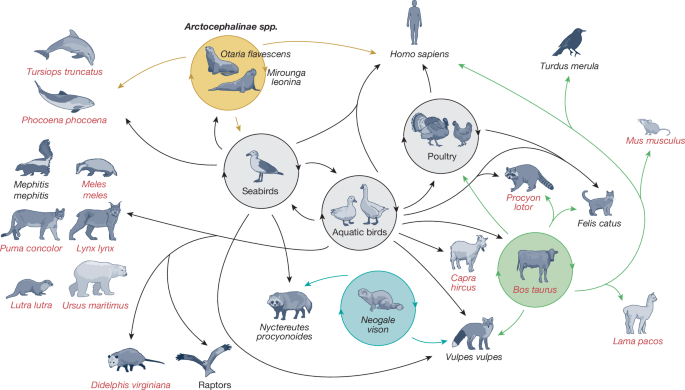
Moreover, the virus has adapted to infect mammals, raising concerns about potential transmission between species, including humans. One notable case earlier this year involved a seal population in the United States, which showed signs of H5N1 infection, emphasising the virus’s capability to cross species barriers. As researchers continue to monitor these developments, there remains a pressing need to address how H5N1 can evolve and pose future risks.
Preventive Measures and Future Outlook
Health authorities worldwide are stepping up surveillance and biosecurity measures to mitigate the risks associated with H5N1. Vaccination campaigns for poultry, public awareness programmes, and enhanced monitoring of wildlife and domestic bird populations are vital strategies being employed. The UK government, alongside international health organisations, is committed to developing a concerted response and preparedness plan in case of a human outbreak, which remains a possibility as the virus continues to circulate in avian populations.
Conclusion
In conclusion, H5N1 remains a significant public health concern that warrants continuous monitoring and research. The importance of understanding the virus’s patterns, effects on different species, and transmission potential cannot be overstated. As the health landscape evolves, governments and health agencies must remain vigilant and proactive to prevent future outbreaks and ensure the safety of both animal and human populations worldwide. The situation underscores the interconnected nature of our health systems and the global environment, calling for a collaborative approach to tackle such zoonotic threats.