Understanding Huntington Disease
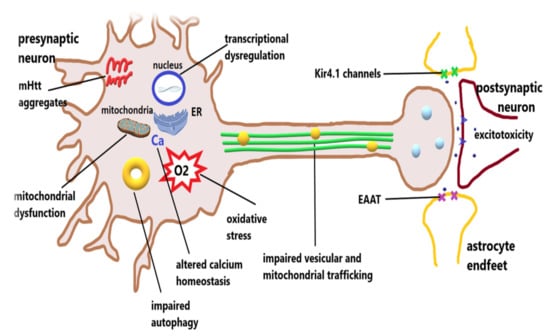
Huntington disease (HD) is a progressive neurodegenerative disorder caused by a genetic mutation in the HTT gene. Characterised by motor dysfunction, cognitive decline, and psychiatric issues, HD affects both the individual and their families. With approximately 1 in 10,000 people diagnosed worldwide, the search for effective treatments remains critical. In recent years, gene therapy has emerged as a potential revolutionary approach for managing this disease.
The Promise of Gene Therapy
Gene therapy aims to address the underlying genetic issues rather than just alleviating symptoms. Researchers are exploring various techniques, including RNA interference (RNAi) and gene editing using CRISPR-Cas9 technology, to silence or correct the HTT mutation. These therapies focus on reducing the production of the faulty huntingtin protein, thereby preserving neuronal function and potentially slowing disease progression.
Recent Developments and Clinical Trials
Promising results have emerged from recent preclinical studies. For instance, a team at the University College London demonstrated that RNAi reduced symptoms in animal models of HD. Moreover, AVATAR-2, a clinical trial initiated by the biopharmaceutical company Wave Life Sciences, is evaluating their gene therapy treatment aimed at lowering the levels of the mutant huntingtin protein in patients. Early results have been encouraging, showing safety and tolerability.
Challenges Ahead
Despite the excitement surrounding gene therapy, several challenges persist. Firstly, delivering the therapeutic agent effectively to the brain remains a significant hurdle due to the blood-brain barrier. Additionally, longer-term studies are needed to understand the durability of treatment effects and any potential off-target impacts. Ethical considerations around gene editing technologies also warrant careful evaluation to ensure safety and efficacy.
Conclusion and Future Outlook
The advancements in Huntington disease gene therapy signal a new era in the fight against this debilitating condition. As research continues and clinical trials progress, there is cautious optimism among families affected by HD. The integration of gene therapy into treatment paradigms could offer not only symptomatic relief but potentially a means to halt or even reverse disease progression. Further investment in research and collaboration between scientists, clinicians, and patient advocacy groups will be essential for bringing these promising therapies to reality.