Introduction
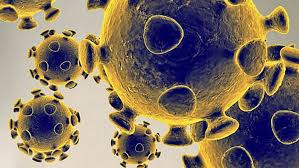
The emergence of a new COVID strain has brought renewed focus and urgency to the ongoing pandemic response across the globe. As scientists and public health experts monitor its spread, understanding the implications of this strain is vital for public health and safety. With previous variants having led to waves of infection, the significance of this development is undeniable and requires immediate attention from health authorities and the general public.
Details on the New Strain
In recent weeks, health officials in several countries have reported cases linked to the new strain, identified as B.1.1.529, commonly referred to as ‘Lambda’. Initially detected in regions of South America, its rapid transmission has raised alarms among experts. Preliminary data suggests that it may have enhanced transmissibility compared to earlier strains. This release of information follows a pattern seen with other variants, where mutations in the virus have led to changes in behaviour and characteristics.
Countries, including the UK, USA, and several in Europe and Latin America, have begun implementing monitoring strategies to track the surge of infections associated with this new variant. Vaccination rates remain a crucial factor in managing potential outbreaks, with public health campaigns urging individuals to complete their vaccinations and boosters to mitigate the spread.
Impacts and Responses
Despite ongoing vaccination efforts, health agencies have signalled that this new strain poses challenges, particularly among unvaccinated populations. Hospitals and healthcare systems are under pressure as they brace for any potential increase in cases that could arise from this variant. Additionally, ongoing research into the effectiveness of current vaccines against this strain is crucial, with many pharmaceutical companies already commencing studies to ascertain their products’ efficacy.
Public health experts are encouraging everyone to remain vigilant, advocate for mask-wearing in crowded spaces, and adhere to social distancing measures, especially in regions experiencing outbreaks linked to the new strain. Furthermore, testing and genome sequencing continue to be key in identifying and isolating cases effectively.
Conclusion
As the new COVID strain unfolds, the global community faces yet another pivotal moment in the pandemic. Continuous monitoring and preparedness are indispensable to mitigating its impact. Moving forward, public behaviour, vaccination strategies, and government responses will greatly influence the trajectory of this strain’s transmission. It is essential for the public to remain informed, follow health guidelines, and support vaccination efforts in order to combat the threats posed by new variants effectively. The road ahead in dealing with COVID-19 remains challenging, but collective action is key to overcoming these hurdles.