The Importance of Daylight Savings Time
Daylight Savings Time (DST) is a practice adopted by many countries as a way to make better use of daylight during the longer days of summer. Typically beginning in the spring and ending in the autumn, DST shifts the clock forward by one hour, allowing for more daylight in the evening. This concept is significant as it aims to reduce energy consumption, promote outdoor leisure activities, and even enhance road safety.
Current Events and Changes
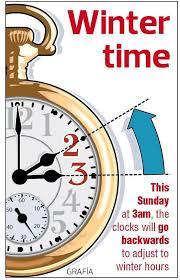
As we approach the end of October 2023, many regions across the world will soon adjust their clocks, moving back one hour as DST ends. In the United Kingdom, this transition occurs on the last Sunday of October, a practice that has been in place since the 1970s. The regulations and opinions surrounding DST continue to evolve, with discussions about its effectiveness and necessity gaining traction annually. Recent debates in the EU have prompted some member states to consider abolishing the practice altogether.
Impact on Daily Life
While most people appreciate the extra daylight in summer evenings, there are mixed feelings about the twice-yearly clock changes. Studies have shown that the transition into and out of DST can temporarily disrupt sleep patterns and productivity. The UK government has acknowledged these concerns and is investigating the long-term effects of DST on public health and well-being.
Future of Daylight Savings
As discussions around the effectiveness of Daylight Savings Time continue, several countries, including the United States and various EU nations, are considering reforms. Some advocate for a permanent shift to standard time or a permanent daylight savings approach to eliminate biannual clock-changing altogether. These changes could significantly influence how society operates, affecting everything from energy consumption patterns to public health considerations.
Conclusion
In conclusion, Daylight Savings Time remains a relevant and debated topic as we navigate modern life’s complexities. While the objective of conserving energy and enhancing daylight hours is laudable, the impact on our daily routine cannot be overlooked. For individuals, being mindful of these seasonal changes is essential in mitigating any potential negative effects, especially as we move towards the end of DST in the coming weeks. As discussions around DST continue, we may see significant changes that could redefine how we approach timekeeping in the future.