The Importance of Staying Informed
As the world adapts to living with COVID-19, understanding its symptoms remains crucial. With new variants emerging and ongoing vaccination efforts, the symptomatology associated with COVID-19 may evolve over time. By 2025, public health agencies are predicting shifts not just in the virus itself but also in the clinical presentation of infection, making awareness of potential symptoms vital for effective detection and response.
Current Understandings and Trends
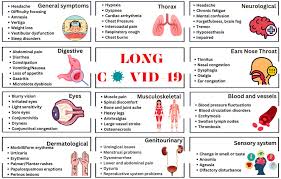
As of now, COVID-19 symptoms primarily include fever, cough, fatigue, and loss of taste or smell. However, new studies suggest that by 2025, the symptom profile of COVID-19 could extend to include gastrointestinal issues and neurological symptoms, especially with the inoculation of populations and emergence of new viral strains. One variant of interest, Omicron, has shown different symptoms than previous strains, with reports of more respiratory distress alongside common cold-like symptoms.
Vaccination Impact on Symptoms
With the rollout of booster shots and vaccines, experts anticipate that vaccinated individuals may experience milder symptoms compared to those who are unvaccinated. This could lead to a scenario where COVID-19 infections among vaccinated individuals present symptoms akin to a cold or mild flu, while unvaccinated individuals may still experience severe symptoms. Health officials stress the importance of continued vaccination efforts to mitigate hospitalisation and severe disease outcomes.
Public Health Measures and Ongoing Research
As we head into 2025, scientists are continuously studying the coronavirus to better understand how it evolves and impacts populations. Ongoing research aims to identify how different populations may exhibit varying symptoms and the long-term effects of infection. Wearing masks, social distancing, and regular testing are expected to become standard public health measures, particularly during outbreaks.
Conclusion
As we progress toward 2025, being vigilant about COVID symptoms and understanding how they may change should remain a priority for everyone. Health authorities emphasise staying updated with the latest information on symptoms, preventative measures, and vaccination recommendations. The ongoing evolution of the virus makes awareness essential, ensuring individuals can seek medical attention appropriately and contribute to the overall public health response.