Introduction
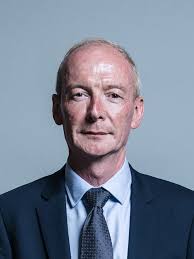
Pat McFadden, a prominent figure in UK politics, has been making headlines recently due to his influential roles and initiatives. As the Shadow Secretary of State for Business and Industrial Strategy, McFadden’s work is particularly relevant in today’s economic climate, as the country grapples with various challenges such as Brexit aftermath and the ongoing impacts of the COVID-19 pandemic. His policies and initiatives not only affect the immediate constituency but also resonate on a national level as the Labour Party strives for a resonant voice in these complex times.
Recent Initiatives and Policies
In recent months, McFadden has focused extensively on revitalising the UK economy through support for businesses, particularly small and medium-sized enterprises (SMEs). In his speeches and proposals, he has emphasised the necessity of skilled labour and the importance of investing in green industries. McFadden has also called for increased cooperation between businesses and educational institutions to fill the skills gap in the workforce.
On the issue of energy, McFadden has been vocal about the need for a clear strategy to transition towards renewable energy sources and reduce carbon emissions, in line with Labour’s commitment to tackling climate change. This aligns with broader government goals, but McFadden’s unique approach encourages innovation through technological advancements and investment in local communities, bringing his vision into the forefront of dialogue on sustainable development.
Impact on Constituency and National Politics
McFadden’s initiatives have not only benefited local businesses but have also set a precedent for national policies. His advocacy for fair wages, workers’ rights, and economic equality reflects Labour’s core ethos, targeting the growth of an inclusive economy that can withstand current challenges. His recent visit to local firms as part of his engagement strategy has strengthened ties within his constituency of Wolverhampton South East, where community support is paramount.
Moreover, McFadden’s visible presence in Parliament and the media has raised his profile significantly, positioning him as a key voice within the Shadow Cabinet. With a keen understanding of economics and a commitment to addressing pressing issues such as inflation and the cost of living, his input is increasingly viewed as critical to Labour’s strategy moving into the next general election.
Conclusion
Pat McFadden’s recent activities and initiatives signal a rising influence in UK politics at a time when sound leadership is crucial. As he continues to advocate for SMEs, workers’ rights, and sustainable practices, his approach may well guide Labour towards a more proactive stance on economic recovery. For constituents and observers alike, McFadden’s evolving role will be significant as the landscape of British politics continues to change. The next few years may see him emerging as a key player in shaping not only party policy but also the future of the UK’s economic environment.