Introduction
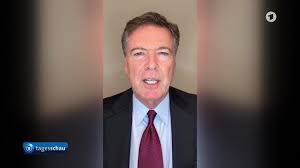
James Comey, the former Director of the Federal Bureau of Investigation (FBI), is a figure whose actions have sparked extensive debate and conversation in the realms of politics and law enforcement. Having served as FBI Director from 2013 until his controversial dismissal in 2017, Comey’s decisions during pivotal moments in U.S. history, including the investigations into Hillary Clinton’s emails and Russian interference in the 2016 election, have left a lasting impact. His relevance continues as discussions about governmental accountability and transparency in law enforcement persist.
Key Events in Comey’s Tenure
Comey rose to national prominence for his role in high-stakes investigations. His announcement in July 2016 regarding the FBI’s decision not to charge Hillary Clinton for her use of a private email server was met with mixed reactions and intensified scrutiny of the FBI’s independence. A few months later, just days before the presidential election, Comey announced that the FBI was re-opening the investigation into Clinton, a move that many critics argued may have influenced the election’s outcome.
Further complicating his legacy were his dealings with then-President Donald Trump. Comey testified before Congress that Trump sought to persuade him to drop the investigation into former National Security Advisor Michael Flynn. This led to the eventual appointment of Special Counsel Robert Mueller to investigate Russian interference. Trump’s dismissal of Comey in May 2017 raised concerns regarding the consideration of the FBI’s independence and ethics.
Comey After the FBI
Since leaving the FBI, Comey has authored books and participated in public speaking engagements, discussing his experiences and the importance of institutional integrity. His memoir, “A Higher Loyalty: Truth, Lies, and Leadership,” reflects on his principles and experiences during his tumultuous tenure, and he has been influential in conversations about ethics in government. In a climate increasingly polarized by partisanship, Comey positions himself as an advocate for accountability and transparency.
Conclusion
James Comey’s time as FBI Director remains hotly debated, shaping the narrative around law enforcement and political accountability in the United States. As discussions regarding the integrity of institutions continue, Comey’s experiences serve as a cautionary tale and a call to action for leaders in any sphere. As we move forward, the significance of accountability in public service remains critical, underscoring the impact of individual actions on broader governmental trust. Future leaders may look at Comey’s legacy as a guiding example of the ethical struggles faced within public service and the importance of unwavering commitment to justice.