Introduction
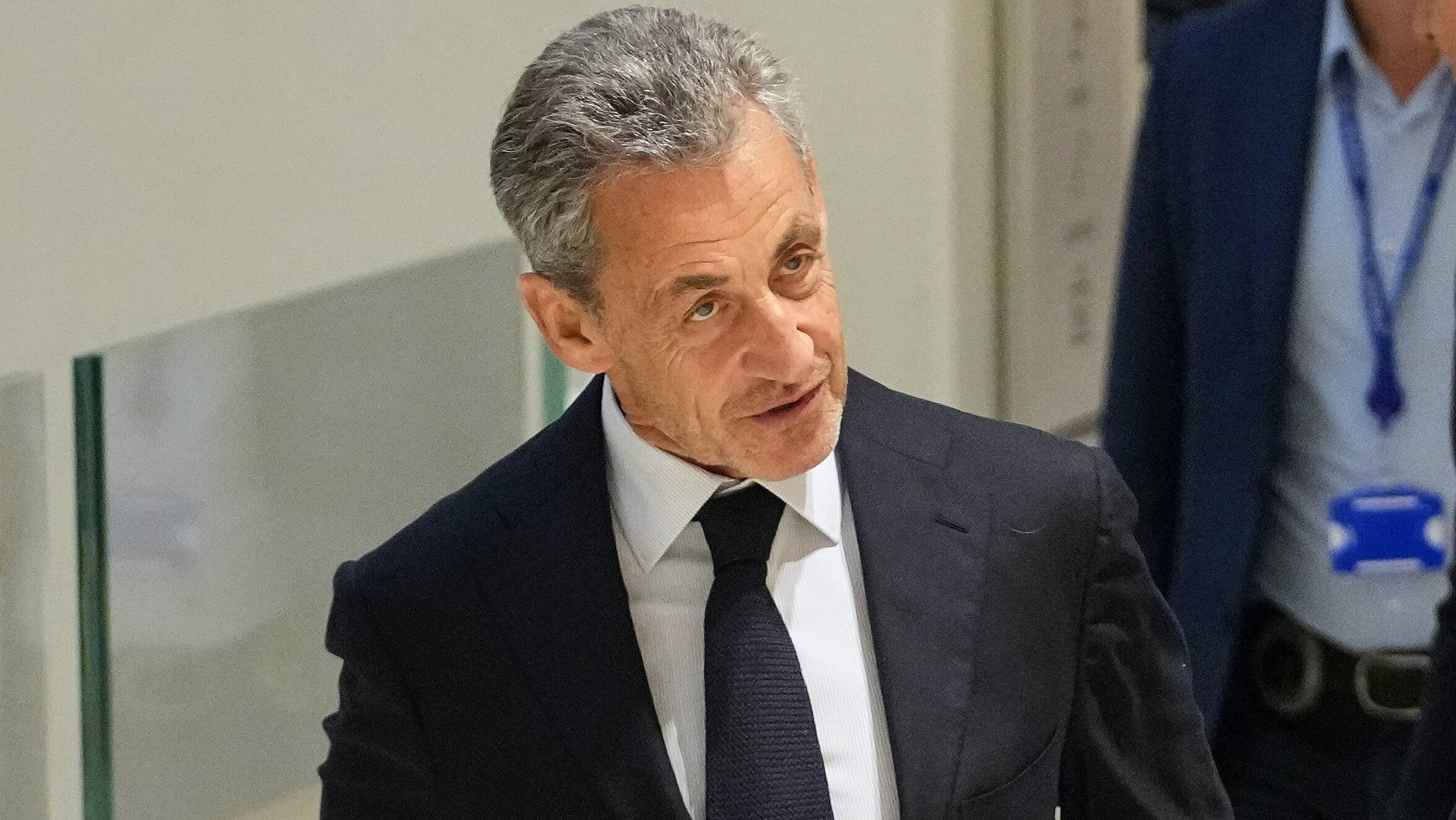
Nicolas Sarkozy, the former President of France, remains a key figure in French politics, with a career that encapsulates the triumphs and challenges of contemporary governance. His policies, leadership style, and controversial moments have played a significant role in France’s political landscape, making his story relevant to both political enthusiasts and the general public alike.
Political Rise
Born on January 28, 1955, Sarkozy began his political career in the 1980s as a member of the conservative party, Rassemblement pour la République (RPR). He rapidly climbed through the ranks, becoming the Mayor of Neuilly-sur-Seine in 1983 and later serving various ministerial roles. His charisma and assertive approach helped him galvanise support, leading to his election as President in 2007.
Presidency and Policies
During his presidency from 2007 to 2012, Sarkozy implemented a series of significant reforms aimed at revitalising the French economy and addressing rising unemployment. His government advocated for pro-business policies, tax cuts, and labour market flexibility. However, his leadership style often drew criticism for perceived authoritarianism and his tough stance on immigration and national security.
His government faced considerable challenges, including the global financial crisis of 2008, which tested his economic policies and public support. Despite these hurdles, Sarkozy’s emphatic response to international crises, notably the Libyan civil war, was praised internationally, marking a defining moment in his foreign policy approach.
Post-Presidency and Recent Developments
After losing the 2012 election to François Hollande, Sarkozy remained active in politics, returning in 2014 to lead the Union for a Popular Movement (UMP), which was later renamed The Republicans. However, he faced controversies and legal challenges, including a corruption trial that concluded in September 2021, culminating in a three-year sentence on corruption charges, with two years suspended. This legal battle has led to a declining public image, yet he continues to exert influence within his party.
Conclusion
Nicolas Sarkozy’s political journey exemplifies the volatility and complexities of modern governance. His policies and approaches have shaped French society, and the ongoing developments surrounding him highlight the intertwining of law, politics, and public perception. As France prepares for future elections, Sarkozy’s legacy will undoubtedly play a significant role in shaping political discourse, both within France and across Europe. With his continued influence, it will be interesting to see how the political landscape evolves in the coming years.