The Importance of Understanding Statins
Statins are widely prescribed medications designed to lower cholesterol levels and reduce the risk of cardiovascular diseases, making their role in modern medicine crucial. However, as with any medication, it is essential to be aware of potential side effects that could influence patient compliance and overall health outcomes.
Key Side Effects of Statins
Research has identified a range of side effects associated with statin use. Commonly reported side effects include:
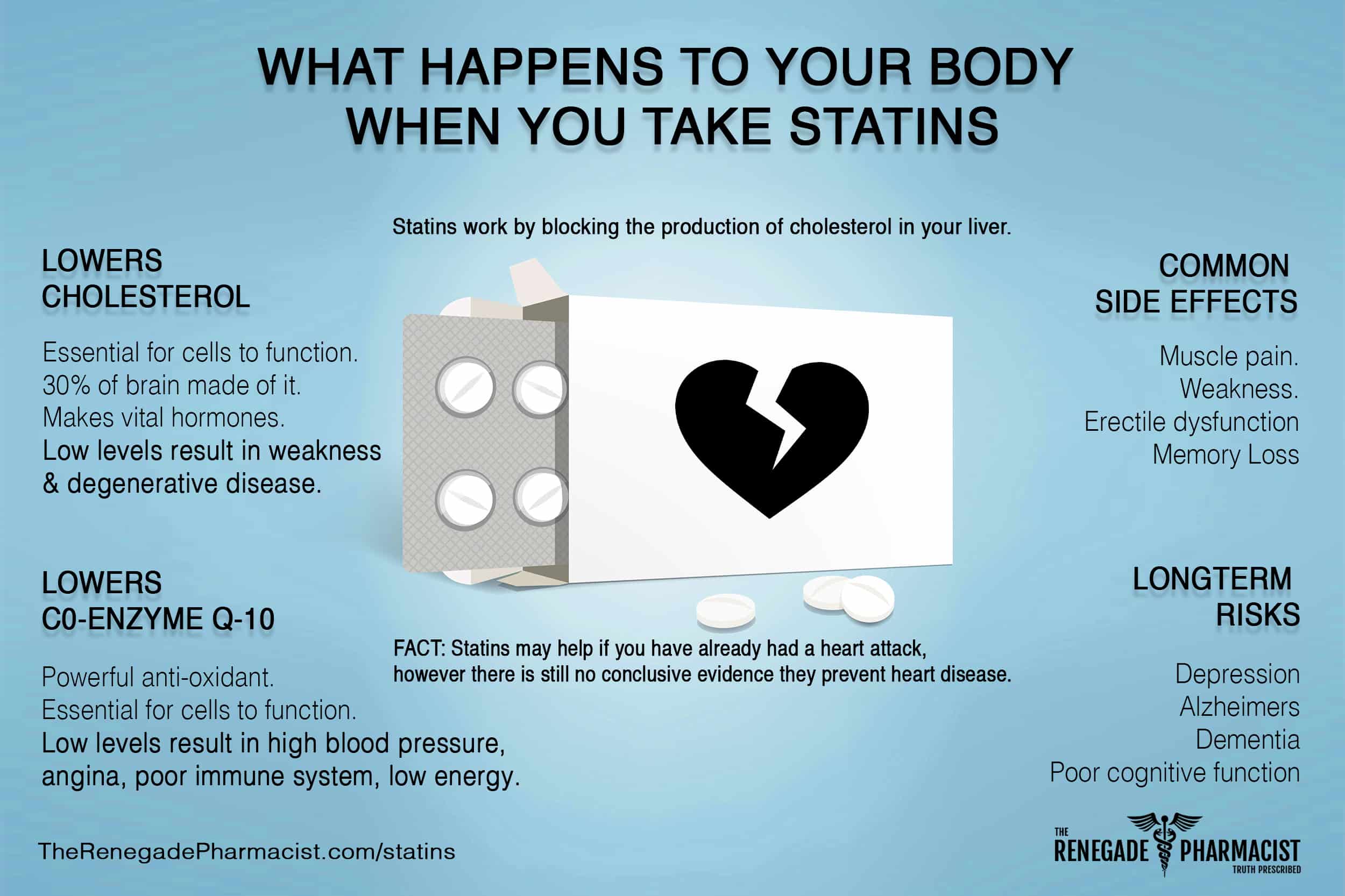
- Muscle Pain: Statins can cause myalgia, resulting in discomfort or pain in the muscles. Studies suggest that upto 10% of patients may experience this symptom.
- Liver Damage: Although rare, statins can lead to liver enzyme abnormalities. Regular monitoring through blood tests is recommended to ensure liver health.
- Increased Risk of Diabetes: Some studies indicate a slight increase in the risk of developing type 2 diabetes among statin users, likely due to the medication’s impact on insulin sensitivity.
- Cognitive Effects: There have been reports of memory loss or confusion related to statin use, although evidence remains inconclusive and further research is needed.
Recent Research and Findings
A recent study published in the Journal of the American College of Cardiology found that while the benefits of statins in reducing heart attacks and strokes largely outweigh the risks, awareness of potential side effects is critical for patient management. The study emphasised the importance of patient-physician communication regarding these side effects to improve adherence and overall treatment satisfaction.
Conclusion and Recommendations
As cardiovascular diseases remain a leading cause of mortality, statins continue to play a vital role in enhancing heart health. However, understanding and addressing statins side effects is essential for effective patient care. Health professionals are encouraged to proactively discuss these side effects with their patients and weigh the benefits against the potential risks. Future research will likely continue to refine our understanding of statins and help develop strategies for minimising side effects while maximising the benefits of these crucial medications. Awareness and open communication between patients and healthcare providers can lead to better management of any adverse effects, ultimately contributing to improved health outcomes.