Introduction to Hyaluronic Acid
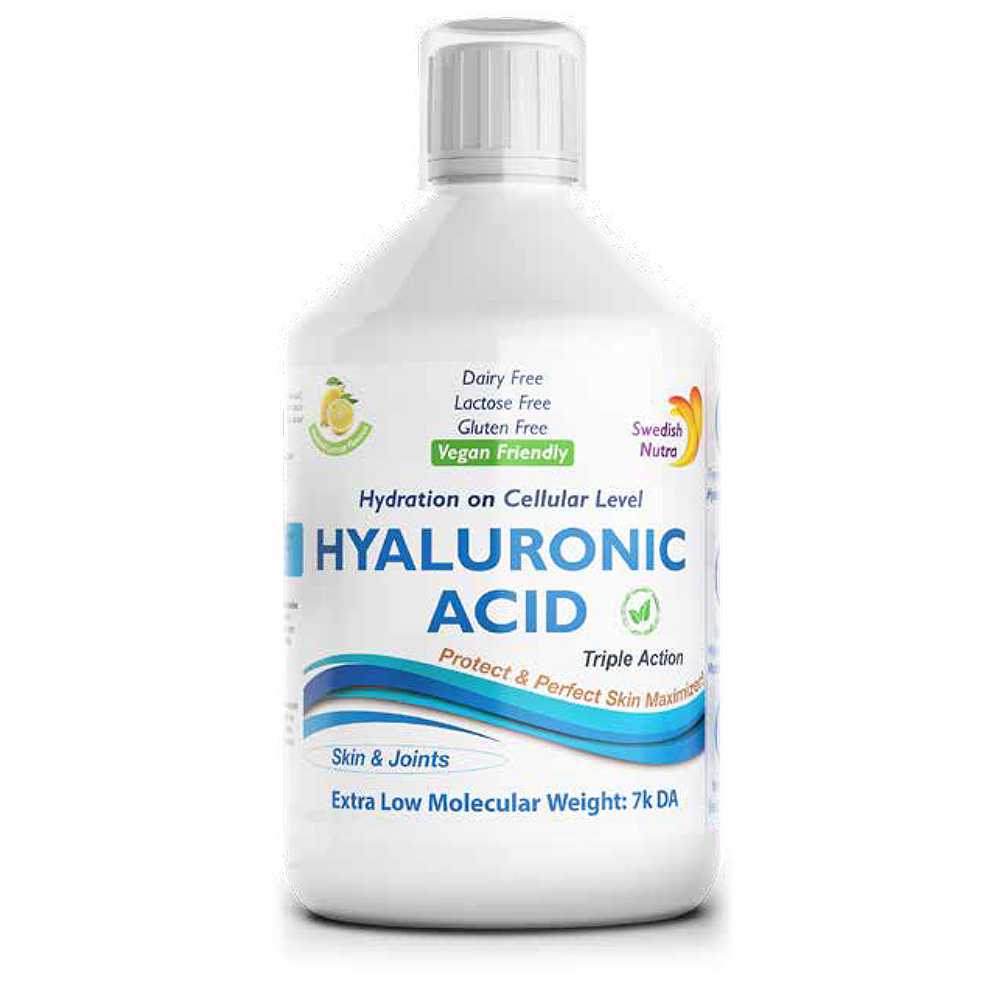
Hyaluronic acid (HA) is a naturally occurring substance in the human body, renowned for its ability to retain moisture and promote skin hydration. In recent years, it has surged in popularity within the beauty and health industries, becoming a staple in skincare products, supplements, and therapeutic treatments. Its importance lies not only in skincare but also in various medical applications, including joint health and eye treatments.
Growing Popularity in Skincare
As a key ingredient in skincare, hyaluronic acid is prized for its remarkable ability to hold up to 1,000 times its weight in water, making it a powerful moisturizer. In 2023, a report from the Global Skin Care Market indicated that products containing hyaluronic acid have seen a 25% increase in sales due to heightened consumer awareness of the ingredient’s benefits.
Leading skincare companies are infusing their serums and creams with HA to combat dryness, fine lines, and signs of aging. Dermatologists recommend its use for both dry and oily skin types, as it provides hydration without clogging pores. Moreover, the ingredient is often combined with other beneficial compounds, such as vitamin C, to boost results.
Medical Uses of Hyaluronic Acid
In addition to its cosmetic applications, hyaluronic acid is employed in various medical fields. It is commonly used in rheumatology for joint injections, providing pain relief in osteoarthritis patients by enhancing lubrication within joints. Recent studies have demonstrated that intra-articular hyaluronic acid injections significantly reduce pain and improve joint function for many patients.
Moreover, HA is utilized in ophthalmology, specifically for procedures like cataract surgery and corneal transplants, where it aids in eye lubrication and healing. Notably, the eye drop formulations containing hyaluronic acid have also gained traction for managing dry eye syndrome.
Forecasting the Future of Hyaluronic Acid
The future of hyaluronic acid appears bright as new research continues to uncover its potential applications. Industry analysts predict that the global hyaluronic acid market will grow exponentially, driven by increasing demand in both aesthetics and therapeutic uses. Innovative formulations and delivery methods are being developed, such as injectable treatments and topical creams that enhance absorption.
Conclusion
Hyaluronic acid is not just a trendy ingredient; its long-standing benefits and applications make it a relevant topic in current health and beauty discussions. Its dual role in skincare and medical fields highlights its versatility and importance. As consumers become more educated about the ingredients in their products, the demand for hyaluronic acid is poised to continue rising, reaffirming its status as a vital component in holistic health and skincare regimens.