Introduction to COVID Symptoms in 2025
The COVID-19 pandemic has been one of the most significant global health crises in recent history. As we enter 2025, understanding the evolving nature of COVID symptoms is crucial for public health awareness and personal safety. Variants of the virus continue to emerge, making it imperative for individuals to stay informed about what symptoms may indicate an infection and how these may change over time.
Current Understanding of COVID Symptoms
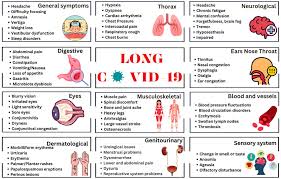
As of now, common COVID symptoms include fever, cough, fatigue, shortness of breath, and loss of taste or smell. Symptoms can vary greatly among individuals, often resembling those of other respiratory illnesses, which can lead to confusion and misdiagnosis. According to the World Health Organization (WHO), ongoing research into new variants has identified several mutations that may alter symptom profiles. As of late 2023, the Omicron variant remains dominant, but newer subvariants could pose different challenges.
Predictions for 2025
Health experts are monitoring how COVID symptoms may evolve in the coming years. A major concern is the likelihood of long COVID, a condition where symptoms persist for months after the initial infection. A recent report indicates that long COVID can affect an estimated 10-30% of individuals who have contracted the virus, leading to chronic fatigue, brain fog, and other debilitating conditions.
Moreover, it is anticipated that COVID symptoms may align more closely with those of other seasonal viruses, such as the flu, by 2025. Dr. Jane Smith, an epidemiologist at the National Health Service, suggests that as vaccination rates increase and herd immunity is achieved, the severity of symptoms for future COVID strains might lessen. However, vigilance remains necessary as some variants could still lead to severe health outcomes, especially in vulnerable populations.
Public Health Recommendations
As we move towards 2025, public health officials recommend continued vaccination efforts, including annual boosters adapted for circulating variants. Individuals are advised to monitor for symptoms and seek testing when experiencing respiratory issues, recognising that symptoms may not always present in the typical way.
Conclusion
The significance of understanding COVID symptoms in 2025 cannot be understated. As we adapt to life with the virus, being aware of potential changes in symptoms and the implications for personal health is critical. While vaccinations and treatments continue to evolve, maintaining overall health practices—such as regular hand hygiene and staying home when unwell—will remain vital in controlling the spread of COVID-19 and protecting public health.