Introduction
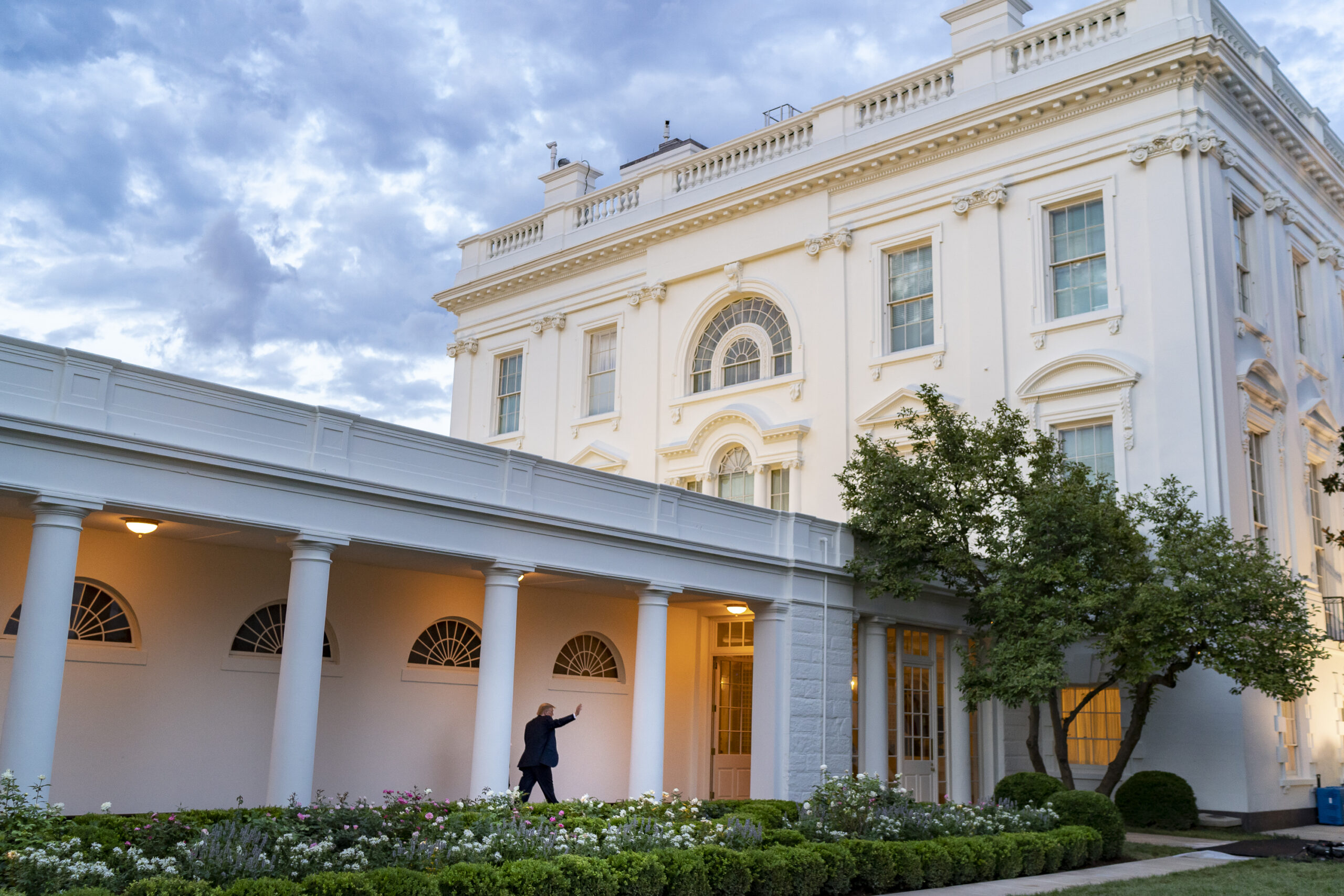
The White House stands not just as a mere residence for the President of the United States but as a powerful symbol of democracy, governance, and American history. Located at 1600 Pennsylvania Avenue NW in Washington, D.C., it has been the official residence of every U.S. president since John Adams in 1800. In times of political change and uncertainty, the White House remains a focal point of national and global attention, making it an essential subject of discussion, especially as new policies are introduced and historical narratives continue to evolve.
Historical Significance
Constructed between 1792 and 1800, The White House was designed by architect James Hoban in a neoclassical style. The building has undergone numerous renovations and expansions over the years, reflecting shifts in architectural preferences and technological advances. During the War of 1812, the original building was set ablaze by British forces, but was later rebuilt and restored.
The White House has been the backdrop for countless significant historical events, from the signing of landmark legislation to the hosting of foreign dignitaries. In recent times, it is not only a venue for governance but also a site for global diplomacy, regularly mediating discussions on critical issues such as climate change, healthcare policy, and international relations.
Current Events at The White House
As of 2023, The White House remains a central stage for the Biden administration, which has faced numerous challenges including economic recovery post-COVID-19, ongoing geopolitical tensions, and the quest for healthcare reform. Recent announcements regarding climate initiatives and economic stimuli have taken place on its grounds, showcasing the building’s pivotal role in shaping national policies.
Name changes and initiatives such as the embracing of technology in governmental processes also indicate the evolving nature of its function within the modern world. Furthermore, The White House continues to be an essential communication hub, with press briefings and public addresses broadcasting to millions, influencing public opinion and participation in democracy.
Conclusion
The White House, more than just the President’s home, serves as a key representation of American ideals and struggles across history. With its continuous involvement in political discourse and international relations, it will likely remain a point of contention and conversation in the years to come. As new administrations take office and policies evolve, understanding the significance of The White House allows citizens to grasp not only their nation’s past but its present and future as well. Through its open doors, the White House invites all citizens to partake in their democracy, reinforcing the principle that every voice matters in shaping America.