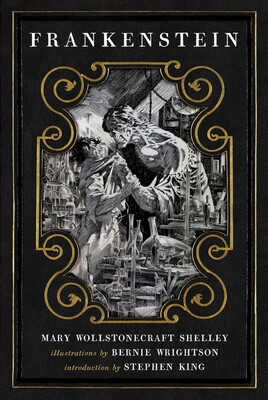
Introduction
Mary Shelley’s ‘Frankenstein’, first published in 1818, remains an iconic work of literature, exploring profound themes of creation, morality, and the human condition. Its relevance continues to resonate in modern society, prompting discussions around ethics in science and technology. As debates around artificial intelligence, genetic engineering, and moral responsibility grow, Shelley’s cautionary tale serves as a crucial lens through which to examine these issues.
Overview of the Story
The narrative chronicles the tragic path of Victor Frankenstein, a scientist whose obsession with creating life leads to dire consequences. By bringing a creature to life through unorthodox methods, Victor’s ambition gives birth to profound sorrow, both for himself and for his creation. His decision to abandon the monster sets off a chain of events that question the nature of humanity and responsibility.
Current Relevance
In recent years, the themes of ‘Frankenstein’ have gained renewed significance in the context of modern technology. With rapid advancements in AI, robotics, and biotechnology, ethical dilemmas surrounding the creation of life and autonomous entities have become a global conversation. For instance, discussions around AI ethics often echo the fears expressed by Shelley, raising questions about the responsibilities of creators toward their creations and the societal impact of their innovations.
Moreover, the repercussions of ‘playing God’, as highlighted by Victor’s tragic story, are apparent in today’s debates over gene editing technologies such as CRISPR. The potential to alter human DNA prompts critical discussions about morality, risk, and the unpredictable consequences of unchecked scientific exploration.
Conclusion
The enduring legacy of ‘Frankenstein’ lies in its ability to spark conversations around creation and ethical responsibility, especially in an era dominated by technological evolution. Shelley’s work urges readers and society at large to consider the implications of their inventions and the humanity embedded within them. As we advance into the unknown realms of science, the cautionary lessons of Frankenstein remind us that with great power comes great responsibility, a sentiment that will remain relevant as long as we continue to innovate.