Introduction
The upcoming Tanzania elections, scheduled for October 2024, are set to play a critical role in shaping the nation’s political landscape. As the largest country in East Africa, Tanzania’s elections are closely watched not just by local citizens, but also by international observers. The significance of these elections stems from the country’s history of political volatility, economic reform, and social dynamics, marking it as a key player within the region.
Current Political Climate
Tanzania has experienced significant political changes following the death of President John Magufuli in March 2021. His successor, Samia Suluhu Hassan, made history as the first female president of Tanzania. Since taking office, Hassan has attempted to steer the country towards a more reconciliatory approach, emphasizing unity and economic growth. Reforms introduced by the current administration have aimed to improve civil liberties and government transparency, which will be crucial in the lead-up to the elections.
Election Preparations and Political Parties
Leading up to the 2024 elections, various political parties including the ruling Chama Cha Mapinduzi (CCM) and the main opposition party, Chama Cha Demokrasia na Maendeleo (Chadema), are gearing up for a highly contested race. CCM, which has dominated Tanzanian politics since its inception, faces increased challenges from a more organised and vocal opposition. Recent elections have seen a rise in youth participation and activism, pushing for reforms that resonate with their needs, such as education and employment opportunities.
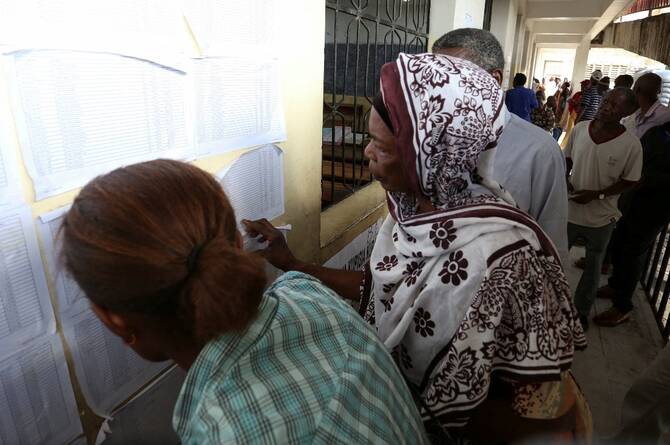
The National Electoral Commission (NEC) has announced plans to improve its voter registration process and ensure fair election practices. These measures aim to bolster public confidence in the electoral process, amidst concerns over past allegations of election fraud and irregularities.
Conclusion: Importance and Forecast
The 2024 elections are likely to be a turning point for Tanzania, as they will not only reflect the citizens’ sentiments towards the current leadership but will also be instrumental in determining the future trajectory of the nation. Observers are keen to see whether the demographic shift towards a youthful electorate will alter the traditional voting patterns. Moreover, the outcome could set precedents for governance and political accountability in Tanzania and beyond. As political manoeuvring intensifies, the focus will be on ensuring a democratic process that captures the voices of all Tanzanians.