Introduction
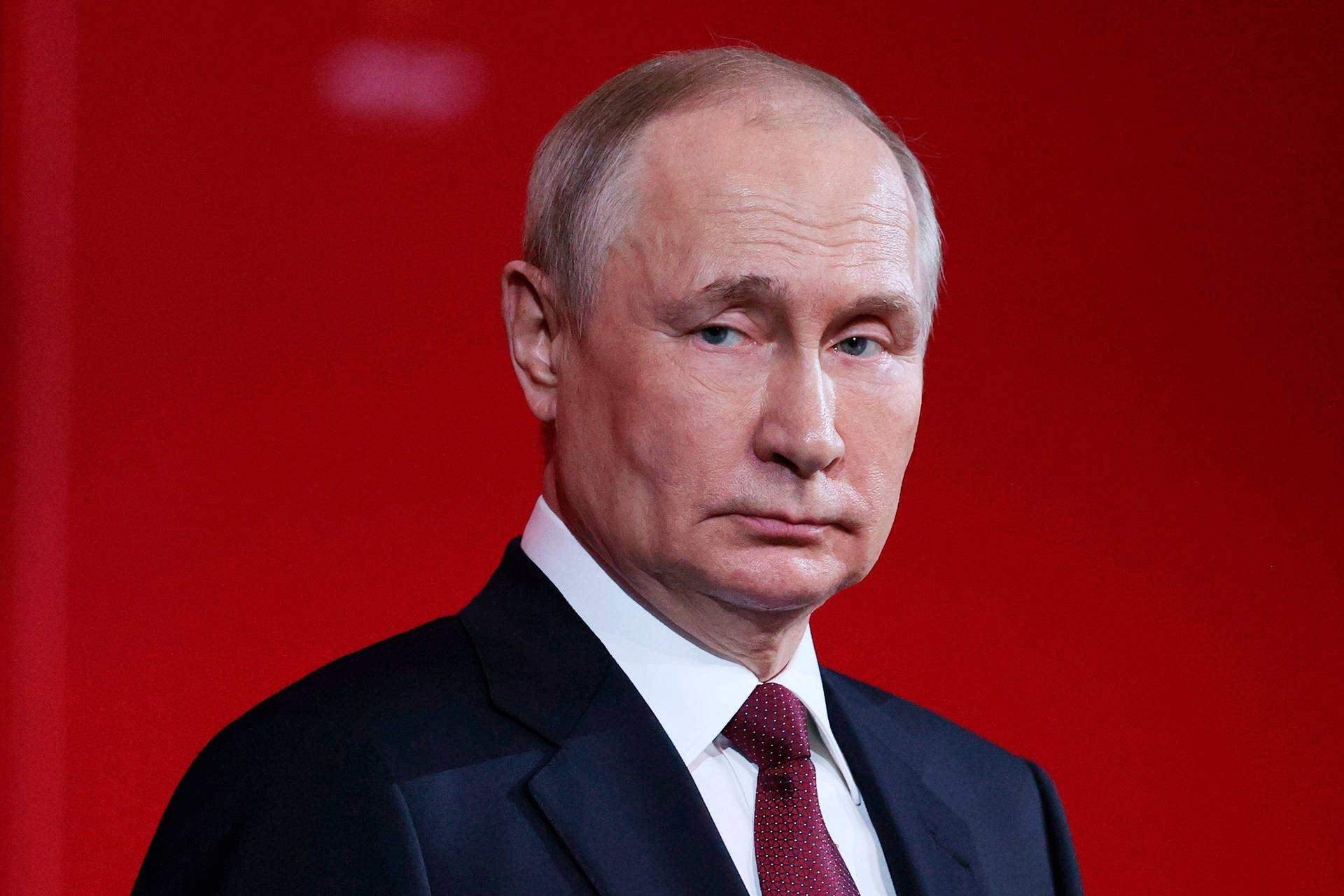
Vladimir Putin, the President of Russia, continues to be a pivotal figure in international relations, shaping not only Russia’s domestic policies but also significantly influencing global dynamics. His actions on various fronts, from military engagements to economic strategies, garner intense scrutiny and provoke widespread debate among political analysts and world leaders. Understanding the current state of Putin’s influence is crucial for those interested in global politics and security.
Recent Developments
In 2023, Putin’s administration has faced multiple challenges, including economic sanctions imposed by Western nations and ongoing military operations in Ukraine. Following the invasion of Ukraine in February 2022, which has drawn widespread condemnation and significant military support for Ukraine from Western nations, the repercussions of this conflict have been felt globally.
Economically, Russia has been striving to adapt to sanctions aimed at crippling its financial capabilities. According to the International Monetary Fund (IMF), Russia’s GDP contracted significantly in 2022 but showed signs of resilience in 2023, buoyed by increased trade with non-Western countries, particularly China and India. Putin’s pivot towards strengthening ties with these nations marks a significant shift and indicates a long-term strategy to sustain Russia’s economy amidst isolation from Western markets.
Political Maneuvering
Domestically, Putin continues to cement his power, ensuring that dissent is stifled and his political regime remains stable. Constitutional changes in 2020 allowed him to extend his presidency until at least 2036, raising concerns about the longevity of authoritarianism in Russia. Furthermore, recent reports have highlighted increasing crackdowns on media and civil liberties, reinforcing his grip over public discourse.
Internationally, Putin has also sought to disrupt traditional alliances, evidenced by his efforts to foster stronger relations with countries like Iran and North Korea. His active participation in various international forums has allowed him to position Russia as a counterbalance to Western influence, presenting himself as a leader of a multipolar world.
Conclusion
The ramifications of Vladimir Putin’s decisions are profound and far-reaching. As he navigates through both domestic and international challenges, the global community watches closely, anticipating potential escalations or resolutions in notable conflicts. Analysts suggest that the coming months will be critical for Putin as he deals with external pressures and internal stability. For readers interested in global affairs, understanding Putin’s behaviour and strategies will be essential in anticipating the future landscape of international relations.