Introduction
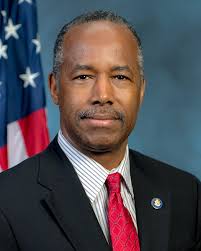
Ben Carson is a name that resonates in both the medical and political arenas. As a renowned neurosurgeon and former U.S. Secretary of Housing and Urban Development, Carson’s life is a testament to hard work, perseverance, and resilience. His journey from humble beginnings to becoming a leading figure in American healthcare and politics continues to inspire millions. In this article, we will examine the key events in Carson’s life, his significant contributions, and what his legacy means for future generations.
A Medical Pioneer
Born on September 18, 1951, in Detroit, Michigan, Ben Carson faced numerous challenges growing up in a poor neighbourhood. With the encouragement of his mother, he developed a love for education, eventually earning a scholarship to Yale University, followed by his medical degree from the University of Michigan. Carson gained worldwide fame in 1987 when he successfully performed the first-ever separation of conjoined twins joined at the back of the head. This groundbreaking surgery brought him international acclaim and solidified his status as one of the leading neurosurgeons of his time.
Transition to Politics
After a distinguished medical career, Carson turned his attention to politics. In 2015, he announced his candidacy for the Republican nomination for President of the United States. His campaign focused on issues such as healthcare reform, education, and poverty alleviation, drawing from his personal experiences to advocate for change. Although he did not secure the nomination, Carson’s candidacy brought attention to the importance of discussing healthcare and educational opportunities, particularly for underprivileged communities.
Leadership as HUD Secretary
In 2017, Carson was appointed Secretary of the U.S. Department of Housing and Urban Development (HUD) under President Donald Trump. During his tenure, he aimed to make affordable housing accessible while addressing the challenges of urban development and homelessness. Though his time in this role was met with mixed reviews, he focused on initiatives aimed at empowering low-income families and creating economic opportunities in struggling communities.
Conclusion
Ben Carson’s life story is a compelling narrative of overcoming obstacles through education and determination. His influence extends beyond just medicine and politics; he has inspired countless individuals to strive for greatness, regardless of their circumstances. Moving forward, Carson’s legacy will likely continue to inspire both healthcare advancements and political discourse around important issues such as poverty and education reform. As America navigates its future, the lessons learned from Carson’s journey remain significant, urging a commitment to service, leadership, and community empowerment.