Introduction
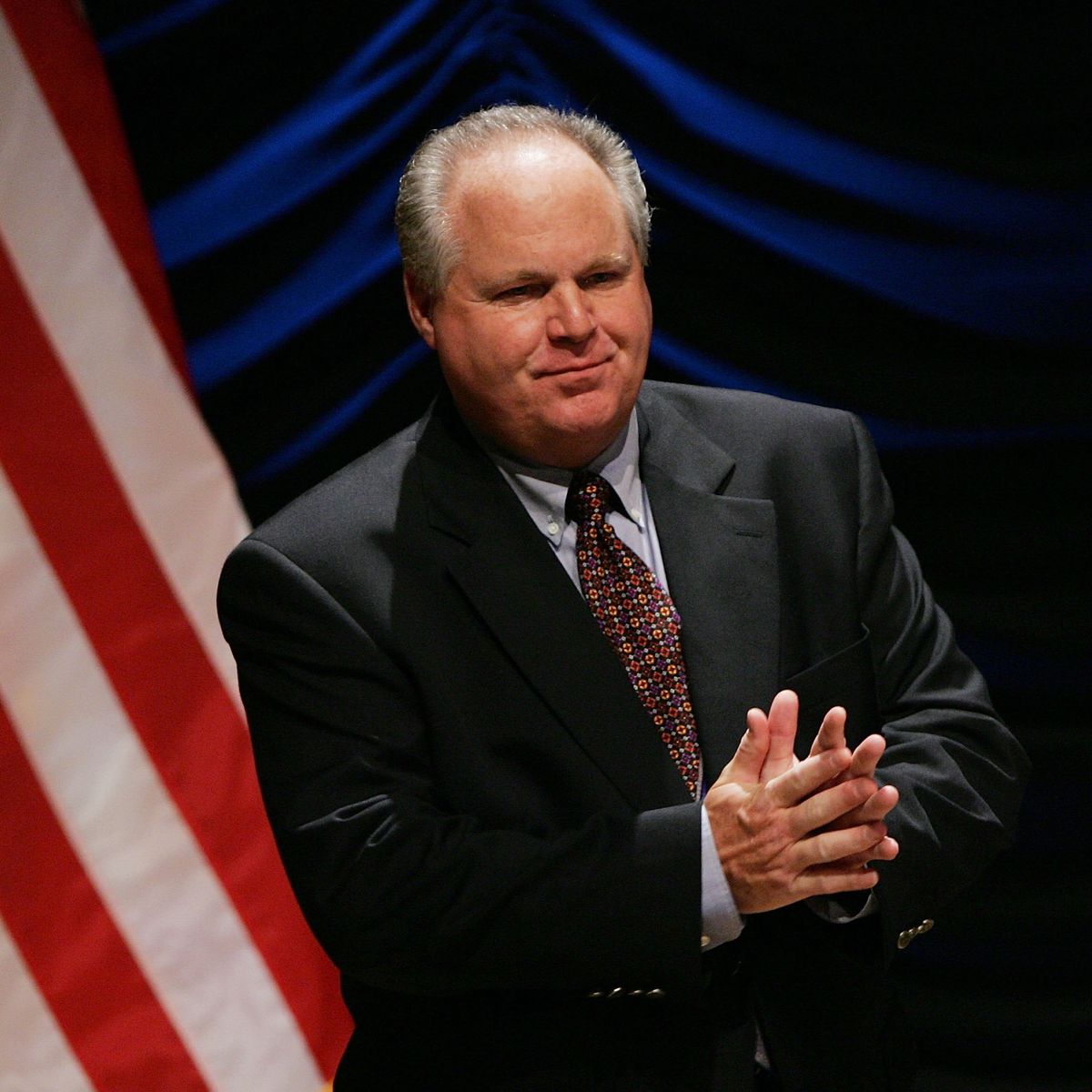
Rush Limbaugh, the provocative and influential talk radio host, profoundly impacted conservative media and political discourse in the United States. With his unique approach to political commentary, Limbaugh transformed the landscape of radio broadcasting, making it a potent platform for conservative thought. His passing in February 2021 left a void in the media landscape but also sparked renewed discussions about his legacy and its relevance in today’s environment.
Limbaugh’s Rise to Prominence
Beginning his career in radio in the 1980s, Limbaugh quickly developed a reputation for his unapologetic conservative views and his entertaining style, which combined wit and political analysis. His show, “The Rush Limbaugh Show,” debuted in 1988, rapidly expanding to millions of listeners across the nation. He became a key figure in shaping the Republican Party’s messaging and was instrumental in the rise of the conservative movement during the 1990s and beyond.
The Limbaugh Effect
Limbaugh’s influence extended beyond radio. He inspired a generation of conservative pundits, including figures like Sean Hannity and Laura Ingraham, who followed in his footsteps. His method of attacking liberal policies and politicians while rallying his audience around a shared identity was groundbreaking. He coined terms that have entered political vernacular, such as “Operation Chaos” and “feminazi,” impacting how conservatives frame discussions around contentious issues.
His style wasn’t without controversy; Limbaugh frequently faced backlash for inflammatory remarks, particularly involving race and gender issues. Nevertheless, his ability to mobilise his audience and create a sense of community among conservatives contributed greatly to the political climate leading up to and during the Trump administration.
The Legacy of Rush Limbaugh
Since Limbaugh’s death, there has been an ongoing examination of his impact on American politics and media. While some praise him for giving a voice to conservative Americans who felt disenfranchised, critics argue that his inflammatory rhetoric contributed to the polarisation of American society. The conversations surrounding his legacy reflect broader themes in contemporary politics regarding media influence, free speech, and the role of talk radio in shaping public opinion.
Conclusion
As the dust settles after Rush Limbaugh’s passing, it is clear his influence remains palpable in the political arena. His approach to talk radio and conservative commentary redefined the genre and established a lasting template for future generations of broadcasters. Whether one viewed him as a champion of conservative values or a divisive figure, Limbaugh’s legacy is undoubtedly significant. His life and career serve as a touchstone for discussions about the role of media in politics and the evolving nature of public discourse in America, prompting questions about how such a legacy will influence the future.