The Significance of Lunar New Year Animals
Lunar New Year, also known as the Spring Festival, is one of the most significant celebrations in various Asian cultures, especially among Chinese communities. Each year is represented by one of 12 animals in the Chinese zodiac, which play a vital role in determining personality traits, fortune, and the overall theme of the year’s celebrations.
The 12 Zodiac Animals
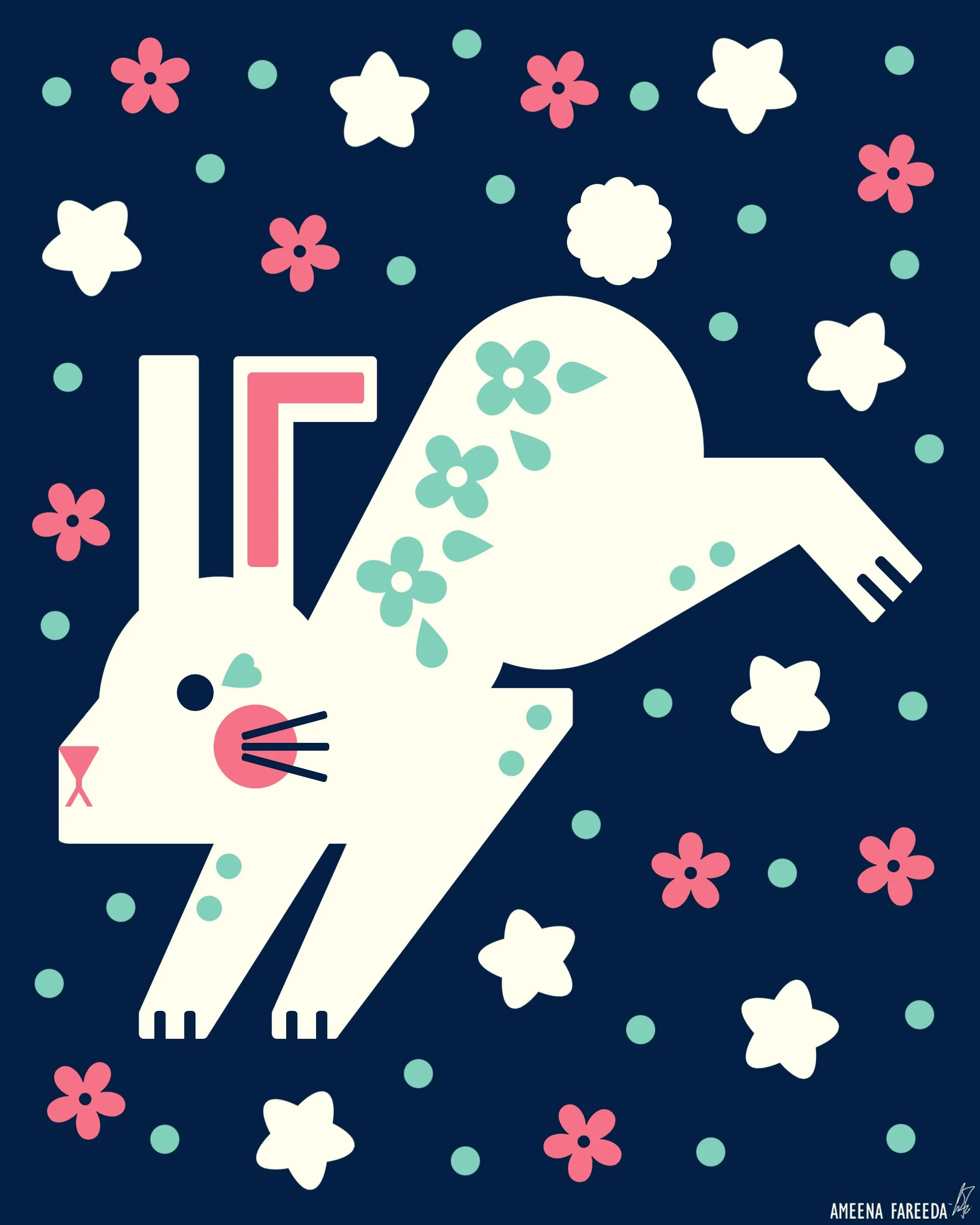
The twelve animals of the Chinese zodiac are Rat, Ox, Tiger, Rabbit, Dragon, Snake, Horse, Goat, Monkey, Rooster, Dog, and Pig. These animals are assigned to a cycle that repeats every 12 years, and each animal is said to embody different characteristics and traits. The current lunar year, for example, is the Year of the Rabbit, believed to signify peace, tranquility, and prosperity.
Festivities and Traditions Associated with Zodiac Animals
During Lunar New Year, many cultural festivities take place, often themed around the zodiac animal of the year. In 2023, celebrations included vibrant decorations featuring rabbits, special customs like giving red envelopes with money, and preparing traditional dishes that resonate with the year’s mascot. Moreover, many people look to astrological predictions based on the zodiac animal, guiding decisions such as business ventures and personal relationships.
Impact on Cultural Identity
The lunar calendar and its compatible zodiac animals are not only central to the celebration but also deeply intertwined with individual identities in cultures across Asia. Communities reflect on their animal sign’s traits to express personal attributes and aspirations. This cultural connection fosters a sense of belonging and continuity, as individuals engage in rituals that honour their heritage and its beliefs.
Looking Ahead to Future Lunar Years
As we look forward to the upcoming years, each cycling zodiac animal continues to influence cultural practices and social norms. The Year of the Dragon, following the Rabbit, is anticipated to be particularly auspicious—a time for dynamism and ambition. Traditionally, year-to-year observances may evolve, but the essence of honouring these animal signs remains a vital aspect of Lunar New Year.
Conclusion
In summation, the significance of Lunar New Year animals transcends mere symbolism; they are a reflection of cultural values and individual identities. As communities across the globe prepare for their Lunar New Year celebrations, understanding the virtues and characteristics of these zodiac animals can enrich one’s appreciation of the festivities and their meaning. Embracing these traditions not only reinforces cultural ties but also fosters a collective hope for the year ahead.