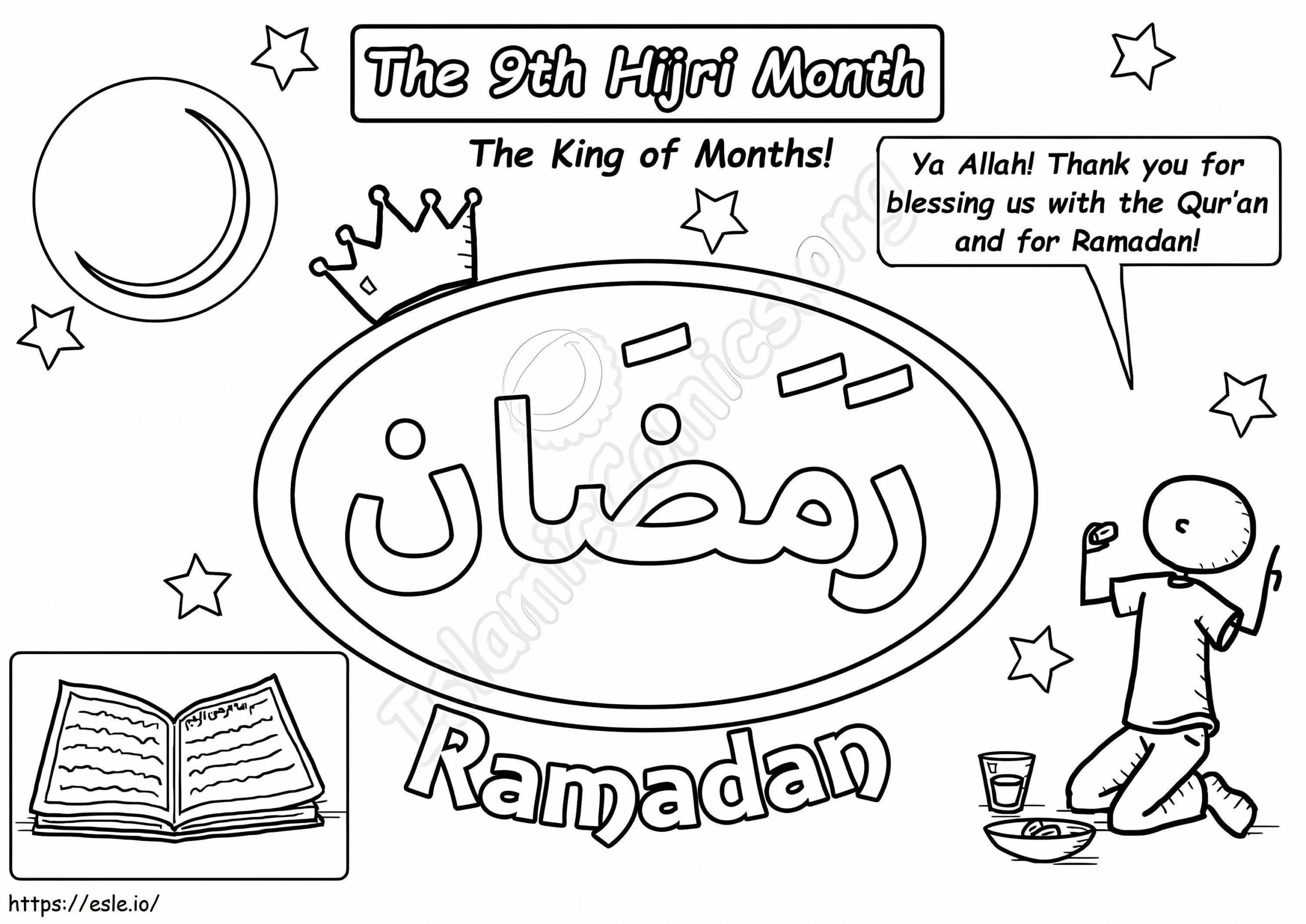
Introduction to Ramadan
Ramadan is a sacred month observed by millions of Muslims around the world, characterized by fasting, prayer, and reflection. This ninth month of the Islamic lunar calendar is not only significant for its religious observances but also for its cultural and communal implications. In 2023, Ramadan began on March 23 and will last until April 21, culminating in the celebration of Eid al-Fitr.
The Importance of Fasting
Fasting during Ramadan is one of the Five Pillars of Islam, making it a foundational act of worship. Muslims fast from dawn until sunset, refraining from food, drink, smoking, and marital relations. The fast is intended to cultivate spiritual growth, self-discipline, empathy for the impoverished, and a deeper connection to Allah. It is a time for self-reflection and increased devotion.
Traditions and Practices
Each evening, families gather for Iftar, the meal to break the fast, starting with the consumption of dates and water, in accordance with tradition. Many also attend the mosque for prayers and special nightly prayers known as Tarawih. Ramadan is also a time for charity; Muslims are encouraged to give to those in need, reinforcing community ties and support.
During this month, social gatherings and family time are amplified through communal prayers and shared meals. Furthermore, many Muslims strive to read the entire Quran during Ramadan, deepening their spiritual engagement.
The Global Impact of Ramadan
In 2023, Ramadan has seen global participation amidst challenging times, including ongoing economic impacts from the pandemic and conflicts around the world. Local businesses often experience a boost from increased food consumption during Iftar and Suhoor (the pre-dawn meal). Cultural events and markets that celebrate Ramadan traditions are also gaining popularity, fostering unity among the Muslim community while educating others about its significance.
Conclusion
As Ramadan continues to unfold, its importance remains profound, acting as a reminder for spiritual growth and communal solidarity. The month is not only about fasting but also about deepening relationships, enhancing charitable activities, and appreciating the diversity of global Muslim practices. Social scientists predict that as the world becomes more interconnected, the core values encapsulated in Ramadan—compassion, reflection, and community—will resonate beyond religious lines, influencing global discussions on humanitarian issues and fostering a greater understanding across cultures.