Introduction
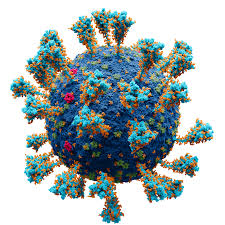
As the world navigates through the ongoing COVID-19 pandemic, the emergence of new variants continues to be a significant concern for public health officials and communities alike. The latest COVID variant, identified as B.1.1.529, commonly referred to as Omicron, has raised alarms due to its increased transmissibility and potential impact on existing treatments and vaccines.
Details on the Latest Variant
First reported in South Africa in November 2021, the Omicron variant quickly gained attention due to its mutations in the spike protein, which is critical for the virus’s ability to infect human cells. This variant has been associated with a rapid rise in infections across multiple countries, resulting in widespread restrictions and renewed public health campaigns.
According to the World Health Organization (WHO), Omicron possesses a significantly higher number of mutations compared to previous strains, leading to concerns over vaccine efficacy. Preliminary studies suggest that vaccines may still provide protection against severe illness and hospitalisation, but boosters appear essential for optimal immunity levels. As of October 2023, data indicates a rise in breakthrough infections among vaccinated individuals, highlighting the need for continuous monitoring and research.
Current Implications
In response to the threat posed by the Omicron variant, many countries have reinstituted travel restrictions, emphasized the importance of vaccinations, and encouraged the public to adhere to health protocols, such as mask-wearing in crowded public spaces. Healthcare systems are under increasing pressure as they balance routine care with a resurgence of COVID cases. Hospitals in some regions have reported rising admissions attributed to the Omicron variant, prompting concerns about resource allocation and patient care challenges.
Conclusion
As the situation continues to evolve, it is crucial for individuals to stay informed about the latest developments regarding COVID variants. Public health experts predict that while the emergence of variants like Omicron will remain a part of the pandemic landscape, proactive measures, including vaccination and adherence to health guidelines, will be essential in managing their impact. The ongoing situation underscores the importance of global cooperation and data sharing to address this public health crisis effectively.
In summary, understanding the latest COVID variant is vital for both individual and community health. Continued vigilance, engagement with reliable health information, and participation in vaccination programmes can significantly reduce the adverse effects of emerging variants.