Introduction
The wildfires sweeping through Antalya, Turkey, have raised alarm due to their devastating impact on the local environment and communities. With the rise in global temperatures and prolonged drought, the frequency and intensity of wildfires have surged, making this issue not only a local concern but a global one. The events unfolding in Antalya serve as a stark reminder of the urgent need for effective climate action and disaster readiness.
Current Situation
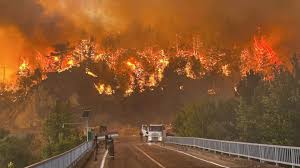
As of October 2023, forest fires have ravaged thousands of acres of land across Antalya, particularly affecting the popular tourist destination of Kemer. Over 1,500 hectares of forest have been lost, putting immense strain on the local biodiversity and threatening native species. The fires have been predominantly fueled by arid conditions and strong winds, contributing to their rapid spread. Local authorities have reported that firefighting efforts are being hampered by rugged terrain and extreme weather conditions.
The Turkish government has mobilised resources, deploying fire-fighting aircraft and thousands of personnel to combat the blazes. Emergency services are engaged in coordinating evacuation plans for residents and tourists in the vicinity of the fires. However, as fires continue to burn, ultimate control remains elusive.
Impact on Communities and Ecosystems
The impact of the wildfires extends beyond the immediate destruction of vegetation. Local communities reliant on agriculture and tourism are facing significant economic challenges. Farmers in the affected regions worry about the loss of crops and livestock, while tourism operators fear a decline in visitors to the once-thriving locale. Wildlife in the affected areas is also under threat, with many species losing their habitats and food sources.
Future Implications and Preparedness
This year’s fires have ignited a discourse on climate preparedness and response strategies in Turkey and beyond. Experts warn that with climate change poised to exacerbate such disasters, regions like Antalya must adopt more effective fire management practices. This includes controlled burns, reforestation efforts, and community engagement in fire prevention skills.
Conclusion
The wildfires in Antalya highlight a pressing issue that many parts of the world are grappling with amid rising climate tensions. With the potential for further environmental damage and the socio-economic toll on communities, it is crucial for local governments and international bodies to invest in systematic resilience strategies. The situation serves as a wake-up call for the need for sustainable practices to mitigate the risks associated with wildfires, potentially impacting future generations.