Introduction
Swing states, also known as battleground states, are critical territories in the United States electoral map. These are states where no single candidate or political party has overwhelming support, making them pivotal during elections. The significance of swing states lies in their capacity to sway the overall outcome of presidential races, often deciding the fate of candidates. With the upcoming 2024 election on the horizon, understanding the dynamics of swing states becomes increasingly relevant for voters, political analysts, and party strategists alike.
Current Swing State Landscape
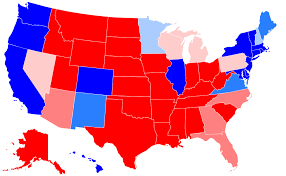
As of 2023, several swing states have emerged as focal points for the upcoming presidential election. These include Pennsylvania, Michigan, Wisconsin, Florida, and North Carolina. According to a recent analysis by the Pew Research Center, these states are known for their fluctuating support between Democratic and Republican candidates in recent elections. For instance, in the 2020 presidential election, Joe Biden won Pennsylvania, Michigan, and Wisconsin, while Donald Trump secured Florida and North Carolina, illustrating the competitive nature of these battlegrounds.
Factors Influencing Swing States
Multiple factors contribute to the designation of a state as a swing state. Demographic changes, economic conditions, and shifts in voter sentiment all play a crucial role. For example, the influx of diverse populations in suburban areas has led to a transformation in voting patterns. Additionally, local issues such as healthcare, job growth, and education significantly influence voter priorities, often tipping the scales during election cycles.
Impact on Election Strategies
Candidates targeting swing states adopt unique campaign strategies tailored to resonate with local voters. This often involves conducting extensive polls and focus groups to understand the electorate’s concerns better. Both major parties invest significantly in advertising, ground game efforts, and rallying events within these pivotal regions. Political analysts predict that, with increased voter turnout and engagement, these states will continue to attract disproportionate attention from campaigns leading up to November 2024.
Conclusion
This emphasis on swing states underscores their lasting importance in American politics. As elections loom, their unpredictable nature keeps candidates on their toes and shapes national conversations around campaigning and voter mobilization. Awareness of swing states enables voters to understand their impact better and encourages participation in the electoral process, reinforcing the notion that every vote counts. As the nation gears up for the upcoming election, the question remains: which party will capture the hearts and minds of swing state voters?