Introduction
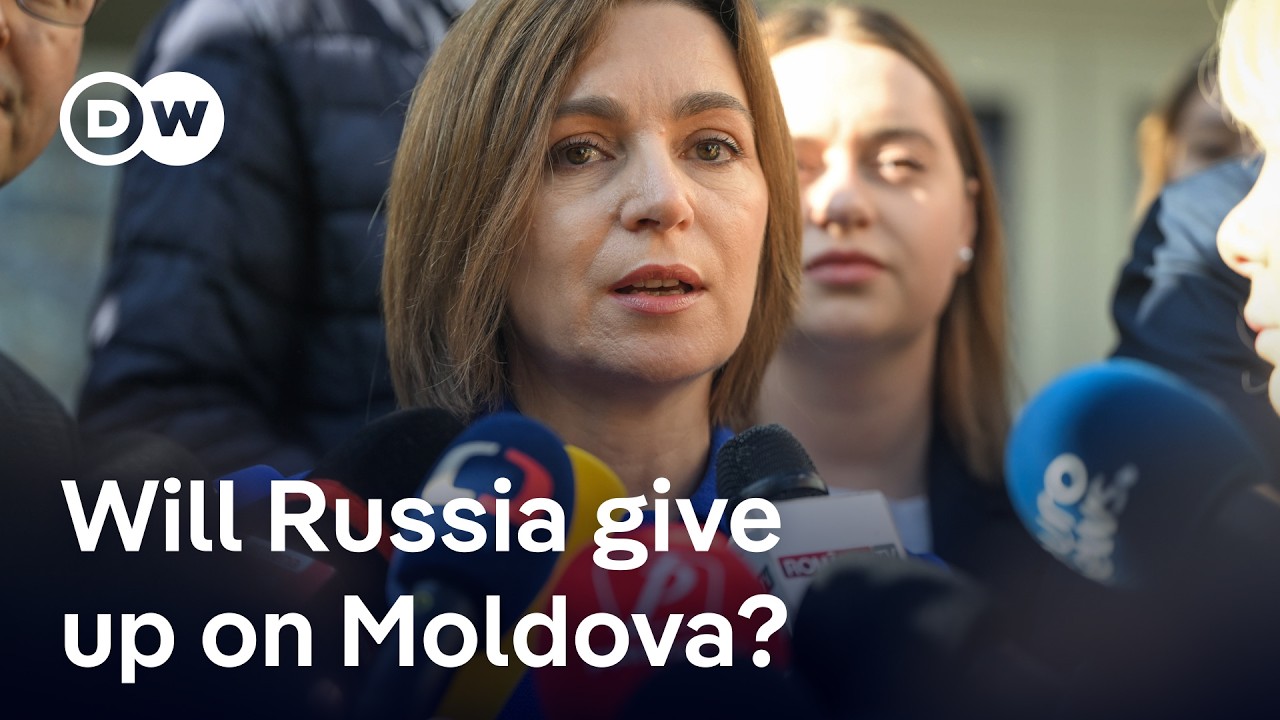
The recent elections in Moldova have drawn significant attention both regionally and internationally. As a small yet strategically located country in Eastern Europe, Moldova has been facing ongoing political challenges, economic uncertainties, and relations with both the European Union and Russia. The outcomes of the Moldova elections are crucial, not just for its domestic policy, but also for the geopolitical landscape in the region.
Recent Developments
The elections, held on October 1, 2023, were characterised by heightened voter engagement, amid concerns over corruption, economic stability, and national security. The main political factions included the ruling Action and Solidarity Party (PAS), which has been aligned with Western ideals, and the Bloc of Communists and Socialists, which leans towards a pro-Russian stance.
As reported by the Central Electoral Commission, voter turnout was approximately 63%, a notable increase compared to previous elections. The increased engagement was attributed to growing public interest in the political direction of the country, particularly in light of the ongoing conflict in Ukraine and its relevance to Moldova.
Key Issues at Stake
Many Moldovans expressed concerns about issues such as rising energy prices, which have soared due to sanctions on Russia, and the economy’s resilience in the face of external pressures. Furthermore, issues of governance and reform continued to lead the political discourse, highlighting the need for transparency and accountability within public institutions.
The election campaign also saw significant participation from youth and civil society groups, who mobilised efforts to promote democratic values and address issues such as environmental sustainability and social justice in Moldova. Their involvement marked a shift towards a more engaged and vocal electorate.
Conclusion
The results of the elections are expected to be announced within the next few days. Early projections suggest a tight race between the PAS and the Bloc of Communists and Socialists. Observers note that regardless of the winner, the new government will face the pressing task of addressing the economic challenges while navigating the complex geopolitics of the region.
In conclusion, the Moldova elections of 2023 are set to redefine the nation’s path forward amidst turbulent regional conditions. As Moldova continues to balance its historical ties with Russia and aspirations for closer integration with the European Union, the decisions made during these elections will have a lasting impact on its future trajectory.