Introduction
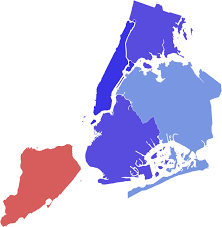
The NYC mayoral election has consistently played a pivotal role in shaping the political landscape of America’s largest city. With millions of residents relying on the Mayor’s policies regarding public safety, housing, healthcare, and education, the stakes are high in this year’s election. As campaigning intensifies leading up to the polls, understanding the candidates, their platforms, and the implications of their potential leadership is more crucial than ever.
The Contenders
The race for the Mayor’s office is marked by a diverse field of candidates, reflecting the rich tapestry of New York City’s populace. Incumbent Mayor Eric Adams is running for re-election, touting his administration’s achievements in crime reduction and economic recovery following the COVID-19 pandemic. However, his tenure has also faced criticism, particularly concerning housing policy and public health initiatives.
Challenging Adams is a mix of candidates from various political and social backgrounds. Notably, former city council member and progressive favourite Maya Wiley aims to rally support from the more left-leaning electorate, advocating for expansive affordable housing measures and criminal justice reform. Meanwhile, Republican candidate Curtis Sliwa, founder of the Guardian Angels, is leveraging his grassroots approach to public safety and community engagement.
Key Issues at Stake
As the election date approaches, several critical issues remain at the forefront of voters’ minds. Public safety continues to be a primary concern, as residents grapple with perceptions of crime and community relations with law enforcement. Housing affordability is another pressing topic, particularly in the wake of the pandemic, which has exacerbated existing inequalities in access to housing.
Additionally, the education system’s future hangs in the balance, with candidates presenting distinct visions for how to address long-standing issues that have affected students across NYC. Health care access and climate change are also anticipated to be pivotal themes during the debates and campaign events.
Conclusion
The 2023 NYC mayoral election represents an essential juncture for the city, testing not only the incumbent’s popularity but also determining the policies that will shape New York for years to come. As candidates gear up for the final push, voter turnout will be crucial in deciding the city’s next leader. Observers forecast that, regardless of the outcome, this election will influence local governance and set the tone for political engagement in future elections. With such far-reaching implications, every vote will undoubtedly matter.