Introduction to Incident Response Plans
In an age where cyber threats are increasingly sophisticated, the significance of maintaining robust incident response plans cannot be overstated. This strategic approach enables organisations to prepare for, detect, respond to, and recover from potential cybersecurity incidents effectively. With the rising number of data breaches and cyberattacks, businesses understand that having a well-structured incident response plan is now more crucial than ever.
Understanding Incident Response Plans
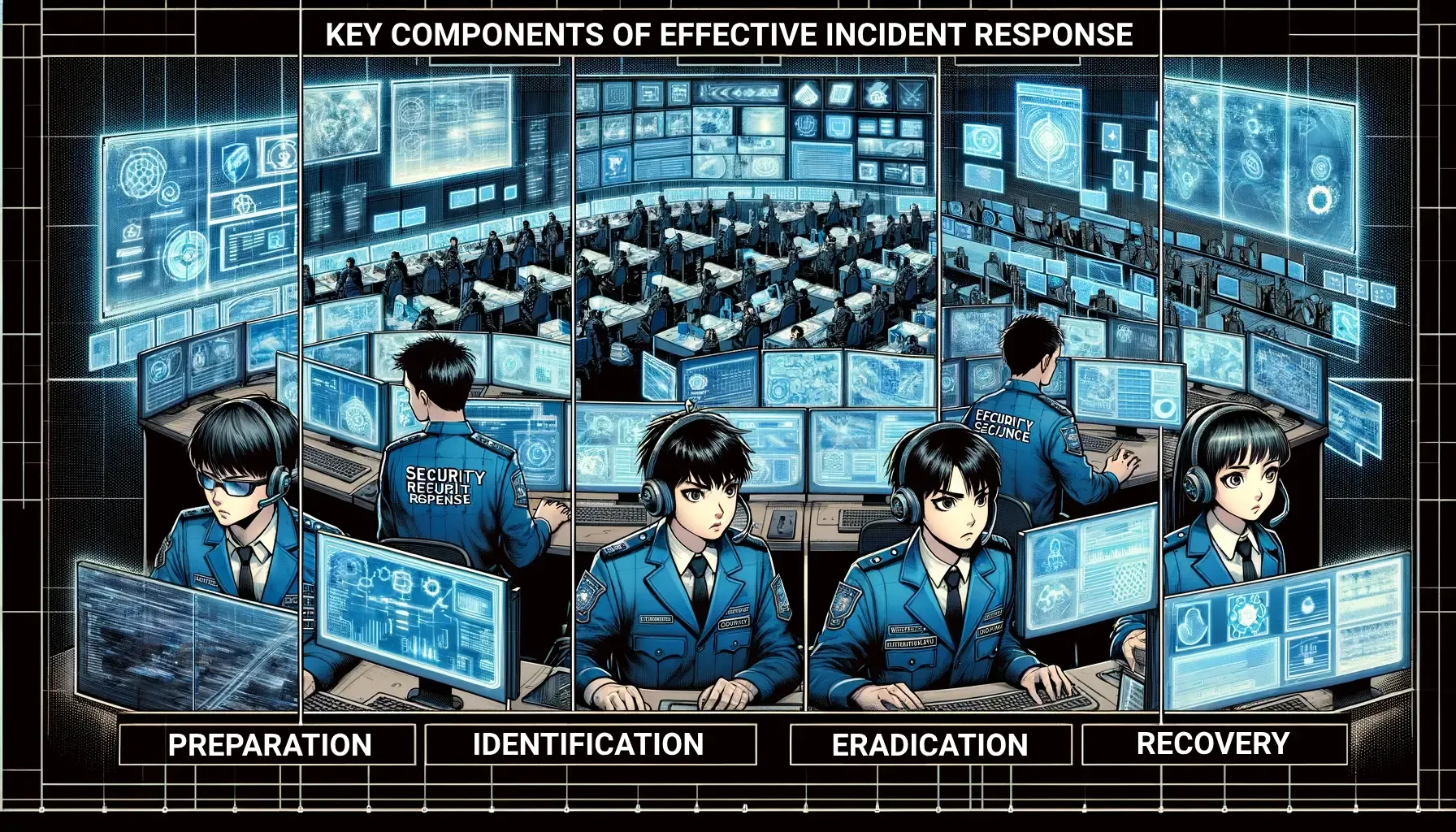
An incident response plan is a documented strategy that outlines the procedures for detecting, responding to, and recovering from cybersecurity incidents. It comprises several phases: preparation, identification, containment, eradication, recovery, and lessons learned. Each of these phases is vital in ensuring that an organisation can respond to threats swiftly and efficiently.
Current Trends in Incident Response
According to a recent report by IBM Security, organisations that have a formal incident response plan can reduce the average cost of a data breach by nearly $1 million. This highlights the tangible benefits of preparation and strategic response. Furthermore, many businesses are now adopting AI-driven technologies to enhance their response capabilities. These technologies can analyse threats in real-time and suggest appropriate responses, significantly speeding up the reaction times in crisis situations.
Real-World Incidents and Lessons Learned
Several high-profile data breaches over the past few years have underscored the importance of having a well-informed incident response plan. For instance, the 2020 Twitter breach exemplified how a lack of preparedness can lead to substantial reputational and financial damage. In contrast, organisations like Microsoft have demonstrated the effectiveness of robust incident response protocols that enable them to manage and mitigate attacks promptly.
Conclusion: Preparing for Tomorrow’s Threats
Looking forward, it is essential for organisations to continually update and test their incident response plans to address emerging threats. A proactive approach not only enhances an organisation’s resilience but also fosters a culture of security awareness among employees. In conclusion, investing time and resources into developing comprehensive incident response plans is no longer optional; it is a necessary strategy for any organisation aiming to protect its critical assets and maintain stakeholder trust.