Introduction
Ramen, a traditional Japanese noodle soup, has transcended its cultural origins and emerged as a global culinary sensation. Its significance lies not only in its hearty flavour but also in its ability to bring people together, encouraging culinary exploration and innovation. Today, ramen shops and gourmet variations are sprouting up in cities across the globe, highlighting its growing relevance in international cuisine.
History and Cultural Impact
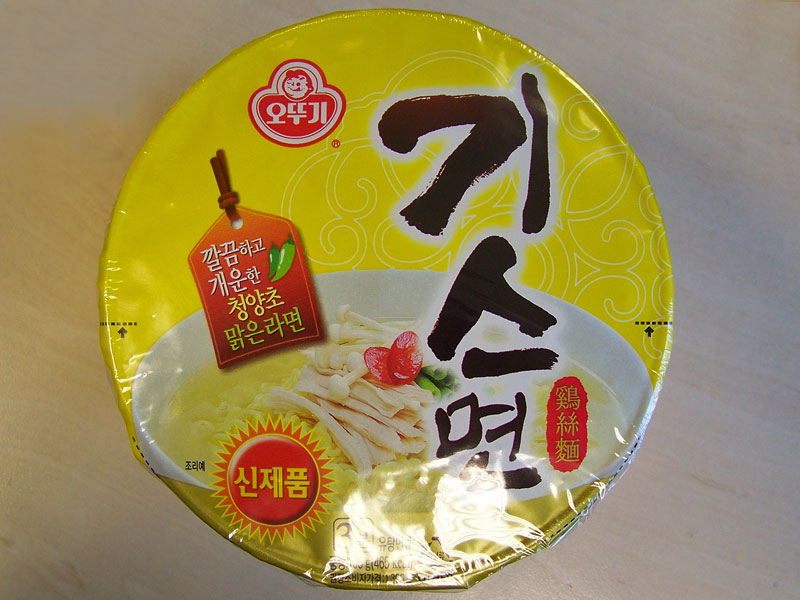
Originating in China, ramen was introduced to Japan in the late 19th century. Over the decades, it evolved into various regional styles, such as Tonkotsu from Fukuoka and Miso ramen from Hokkaido. Each variant boasts unique ingredients and preparation methods, showcasing local culture and food traditions. Ramen’s cultural significance was further cemented in the 20th century, with the advent of instant ramen, popularised by Momofuku Ando in the 1950s. This innovation offered convenience and affordability, making ramen accessible to people worldwide.
Ramen’s Popularity in Current Trends
In recent years, the popularity of ramen has skyrocketed, fuelled by social media and food enthusiasts seeking authentic dining experiences. Gourmet ramen restaurants have proliferated in urban settings, presenting creatively crafted bowls that cater to diverse palates. According to a recent report by Market Research Future, the global ramen market size was valued at approximately USD 45 billion in 2021 and is projected to grow at a compound annual growth rate (CAGR) of 4.6% from 2022 to 2028. This growth illustrates a shift towards healthier, high-quality ingredients and customer demand for authentic, artisanal experiences.
Global Ramen Events and Competitions
Annual events such as the ‘Tokyo Ramen Show’ and ‘Ramen Expo’ draw thousands of visitors, showcasing the best ramen from around the world. These events foster community enthusiasm and provide a platform for aspiring ramen chefs to showcase their skills. Additionally, many chefs are experimenting with fusion styles, integrating global flavours into traditional recipes, which broadens ramen’s appeal even further.
Conclusion
The rise of ramen transcends mere culinary favour—it reflects a global appetite for cultural exchange and innovation in food. As chefs and enthusiasts continue to push the boundaries of this beloved dish, its significance in global cuisine will only grow. For food lovers, exploring the world of ramen represents an exciting journey filled with diverse flavours and culinary traditions that connect us all. As we look to the future, ramen is poised to further entrench itself as a staple of contemporary dining experiences, bridging cultural gaps and celebrating the joy of sharing a comforting bowl of noodles.