Introduction
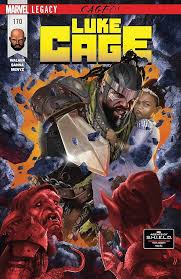
Luke Cage, a Marvel superhero known for his superhuman strength and unbreakable skin, has carved a significant niche in the comic book world since his debut in 1972. As an icon of empowerment and resilience, his character resonates deeply within the context of social justice and racial representation in media, making him a critical figure in contemporary culture.
Character Origins and Development
Created by writer Archie Goodwin and artist George Tuska, Luke Cage first appeared in Luke Cage, Hero for Hire #1. Set against the backdrop of the 1970s blaxploitation movement, Cage’s origin story involved wrongful imprisonment and a government experiment that granted him his powers. His character was groundbreaking, introducing a Black superhero in a time when such representation was direly lacking.
Through various comic book series, Cage has evolved from a reluctant hero motivated by financial gain to a symbol of moral integrity. His collaborations with fellow heroes, particularly in the Defenders series and his partnership with characters like Iron Fist, expanded his narrative horizons, showcasing themes of friendship, loyalty, and community.
Television Impact
The character received significant adaptation success with the Netflix series titled Luke Cage, which premiered in 2016. The show was praised for its cultural specificity, tackling issues such as systemic racism, gentrification, and Black empowerment through a nuanced lens. The series starred Mike Colter as Luke, highlighting the superhero’s struggles both in and out of his costume. It maintained a blend of action and social commentary, earning a dedicated fanbase and critical acclaim.
Current Relevance and Cultural Significance
In recent years, Luke Cage has continued to be relevant within the Marvel universe, repeatedly appearing in comic series and engaging with contemporary issues. His persona challenges stereotypes and embodies strength, both physically and socially. As discussions around race and representation in media grow in prominence, Luke Cage stands as a testament to the power of storytelling in confronting societal challenges.
Conclusion
The legacy of Luke Cage remains robust, as he symbolizes resilience and tenacity within the superhero genre. With ongoing adaptations and revivals in comic storytelling, it is clear that Luke Cage will continue to play a vital role in promoting diversity and inclusivity in the media landscape. His ongoing relevance serves to remind audiences that heroes can emerge from adversity and champion the ideals of justice and equality.



